


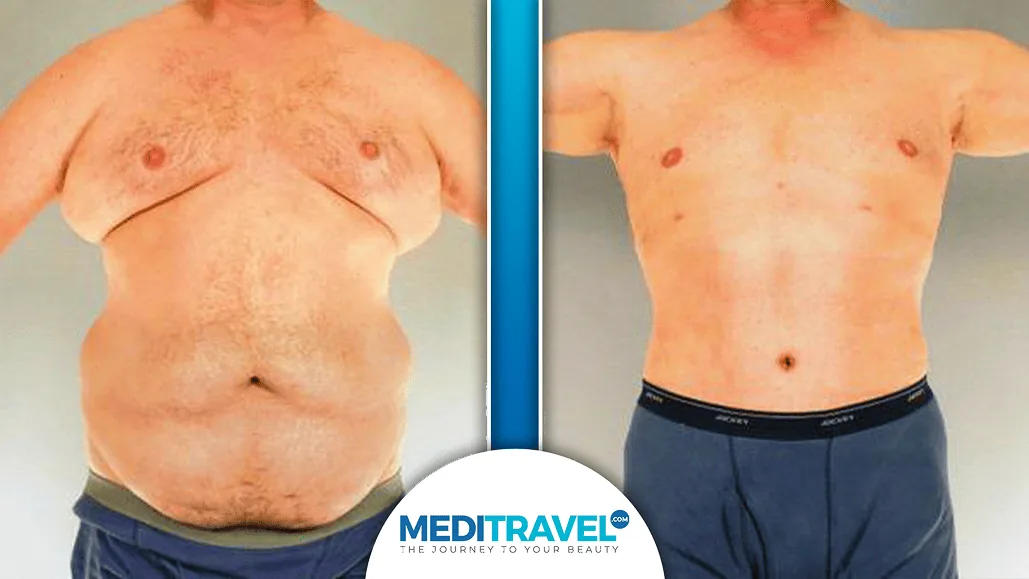
Abdominoplasty
Istanbul Aesthetic Centre
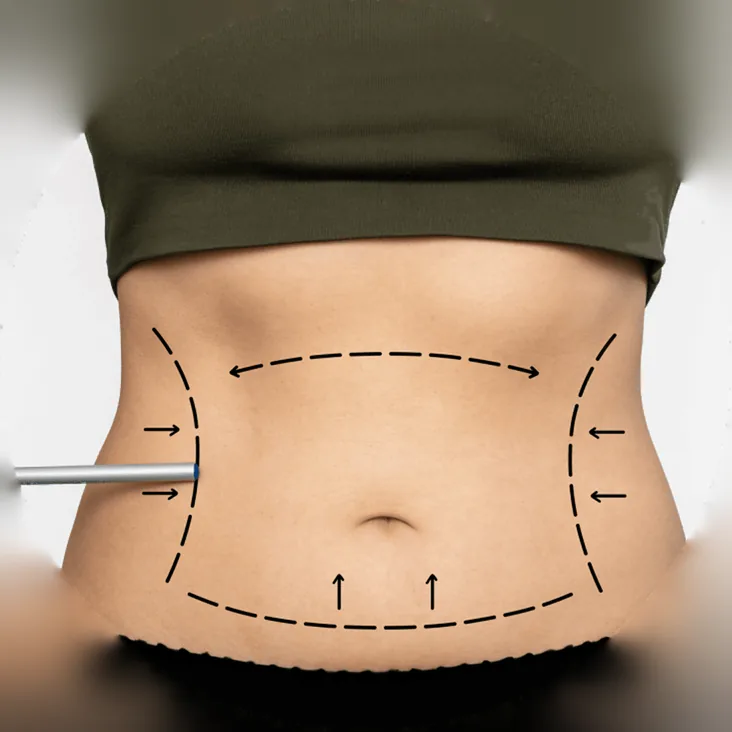
Liposuction

 1,100 $17,600 $
From
To
 Trusted by10,000+Save up to70%Renowned ClinicsPersonal SupportFull organisation12 Months Aftercare
With Meditravel you will findyour ideal clinic - worldwide
 Trusted by10,000+Save up to70%Renowned ClinicsPersonal SupportFull organisation12 Months Aftercare
From
To
Benefits of Liposuction:
Liposuction permanently removes stubborn fat cells for a slimmer and more defined body shape.
Benefits of Liposuction:
Liposuction permanently removes stubborn fat cells for a slimmer and more defined body shape.
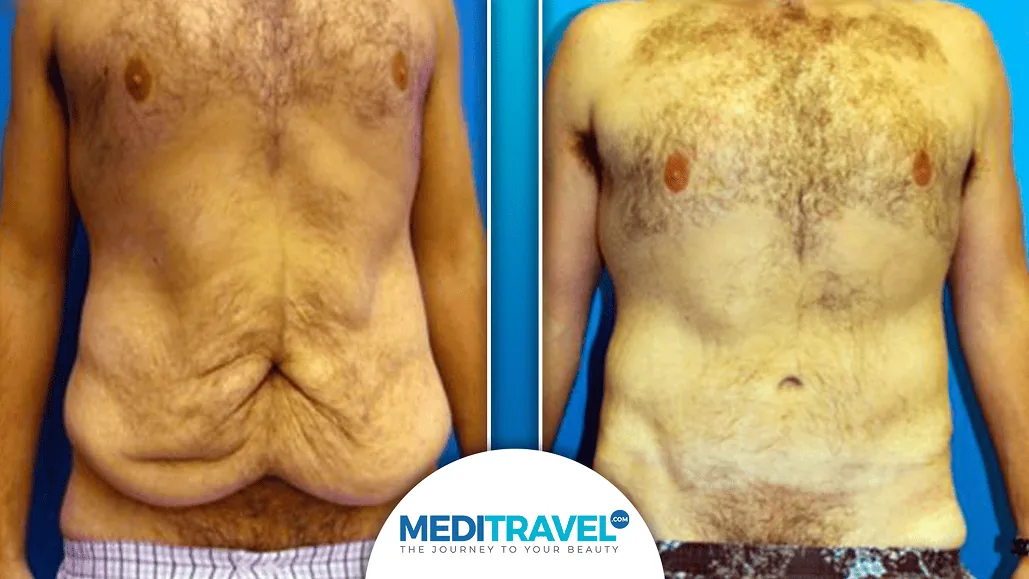
Abdominoplasty
Istanbul Aesthetic Centre
Abdominoplasty
Istanbul Aesthetic Centre
Abdominoplasty
Istanbul Aesthetic Centre
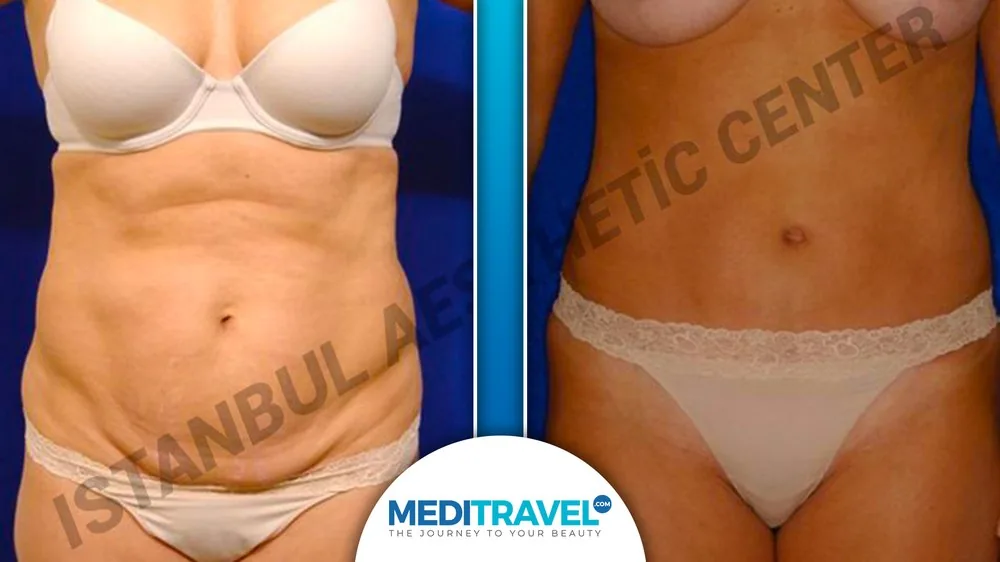
Abdominoplasty
Istanbul Aesthetic Centre
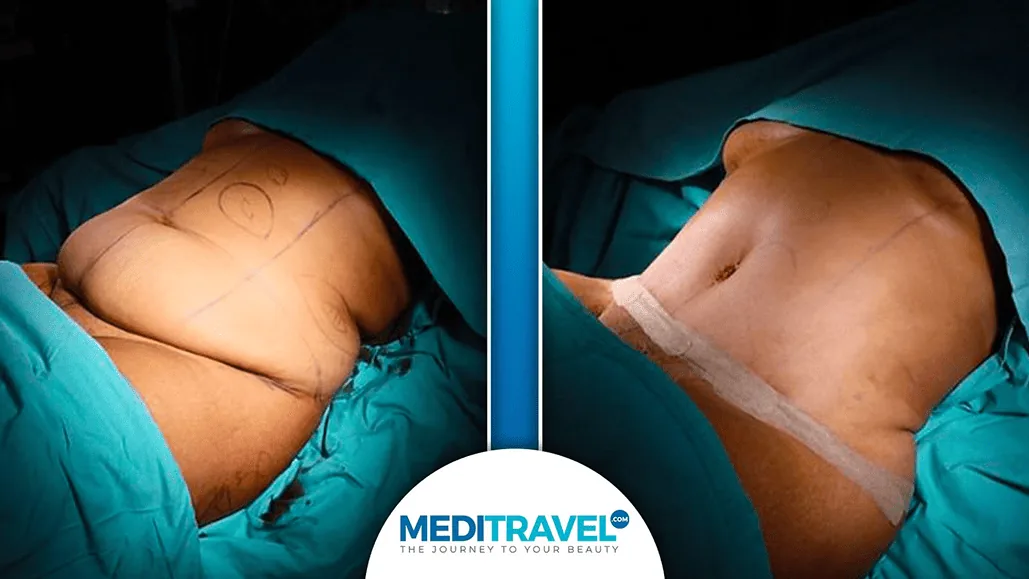
Abdominoplasty
AK Clinic
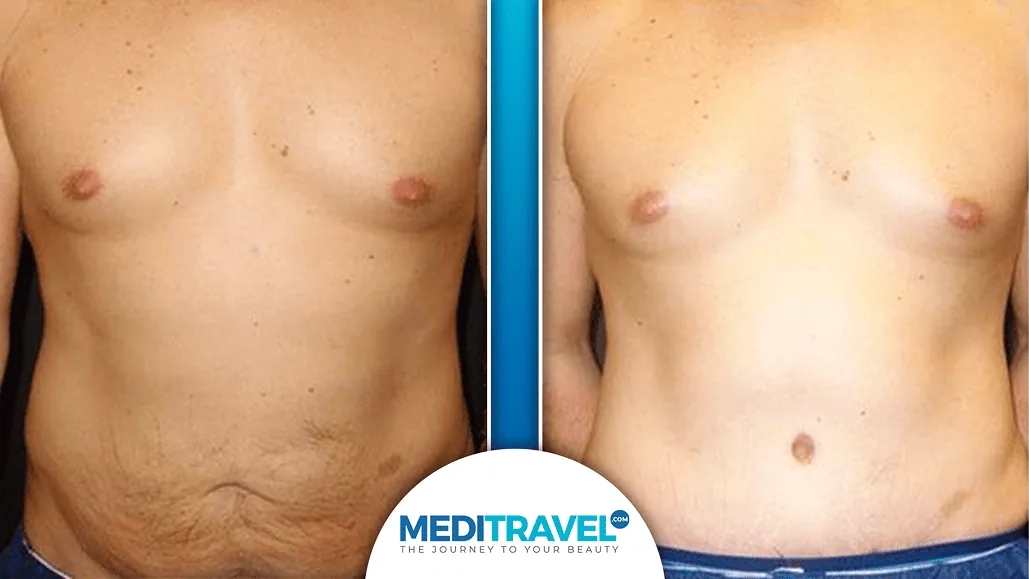
Abdominoplasty
Istanbul Aesthetic Centre
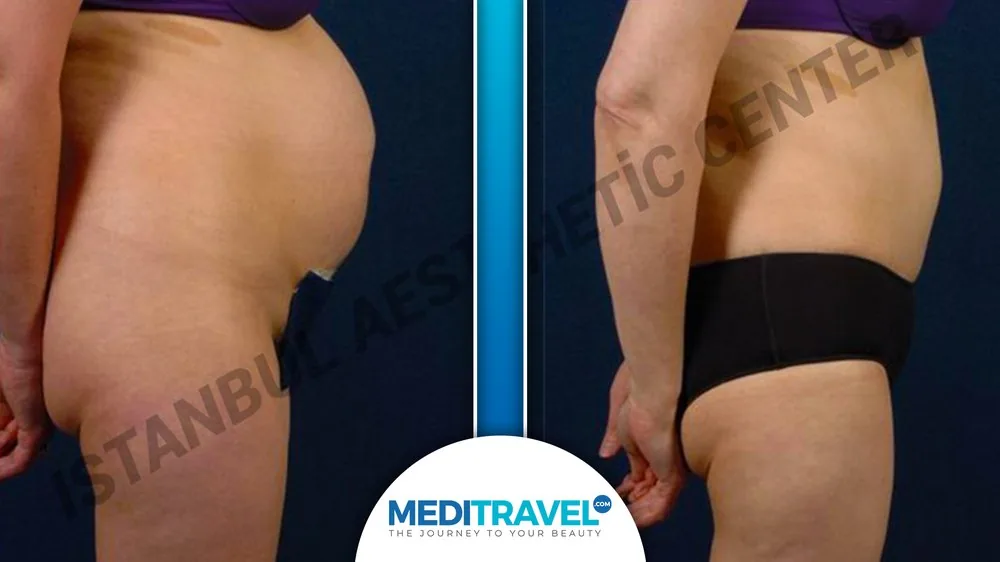
Abdominoplasty
Istanbul Aesthetic Centre
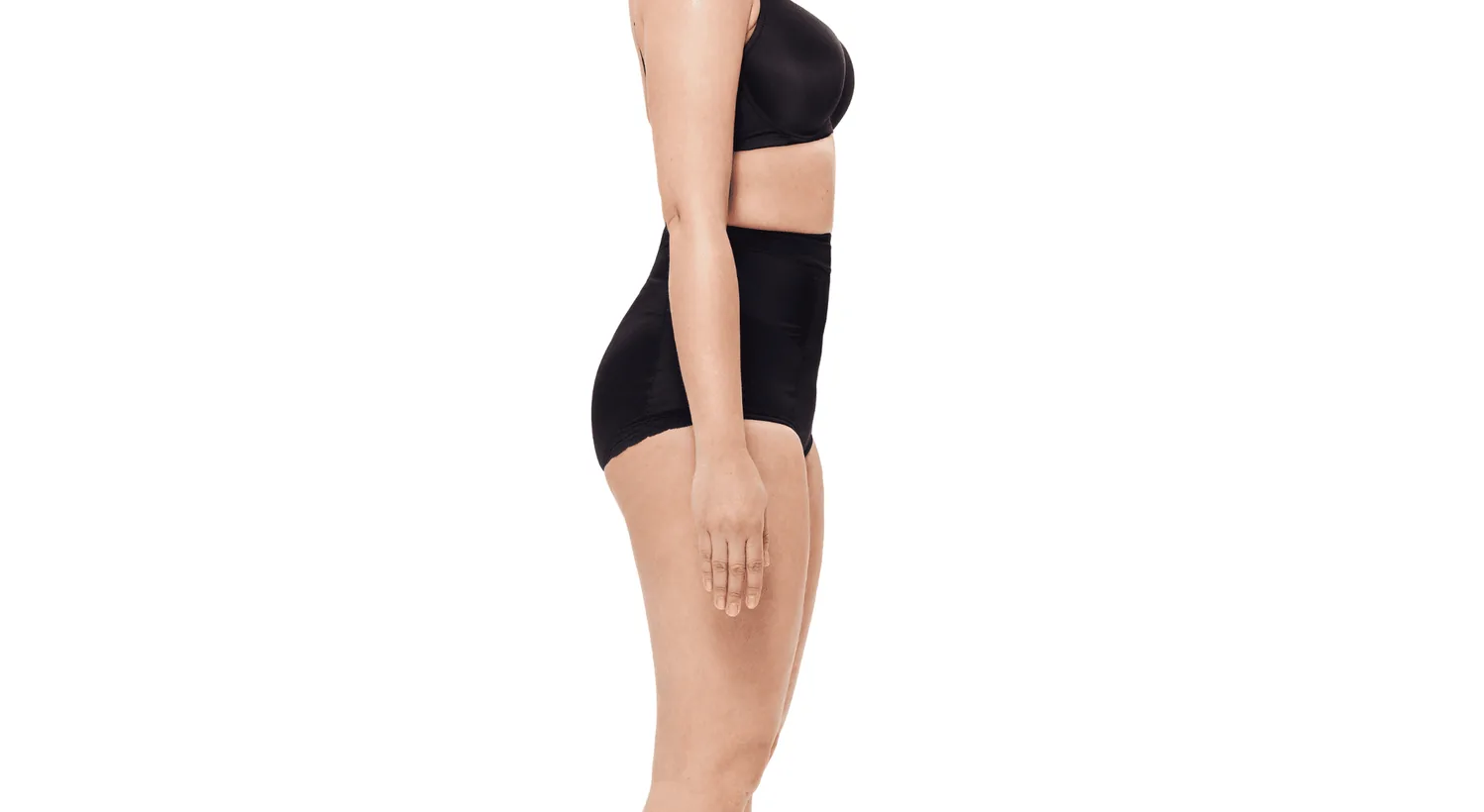
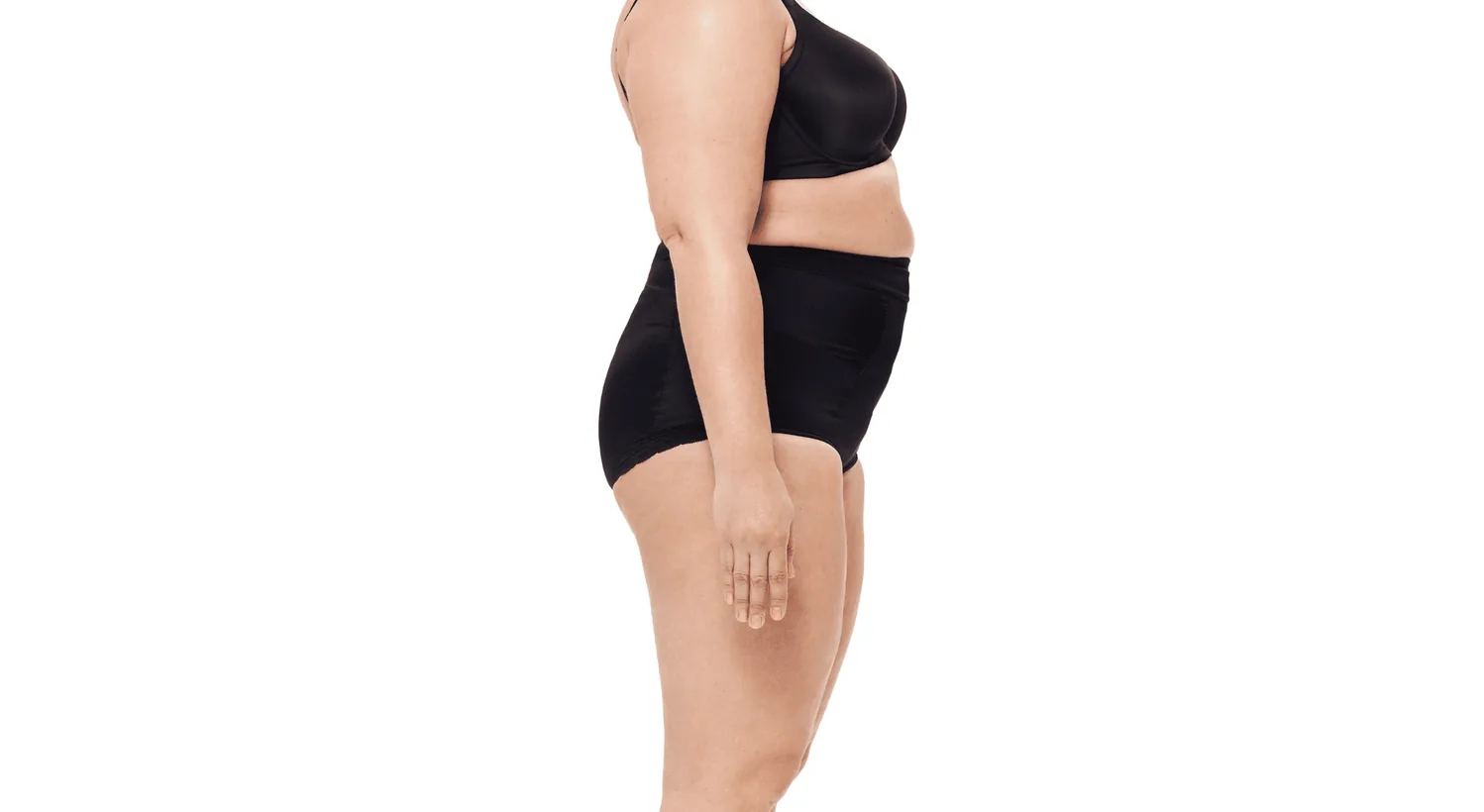
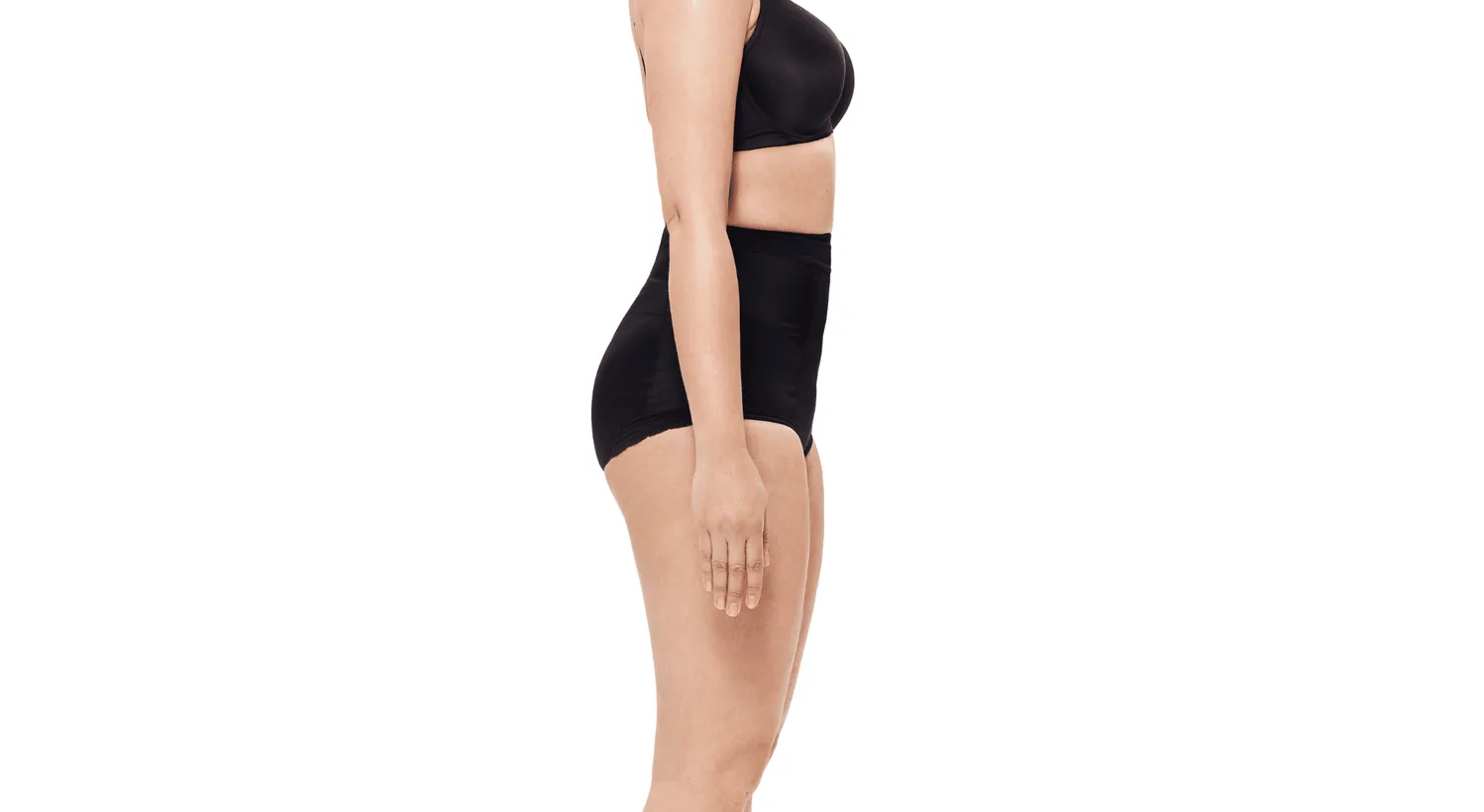
Our Offers
*Prices vary by country and clinic
 LiposuctionTranslator1-2 nights in the clinicCompression GarmentsDrugs / MedicationBlood TestPersonal AftercareQuality CertificateLuxurious HotelTransfersFlight Tickets
Our Offers
*Prices vary by country and clinic
Discounts
Combine multiple Liposuction Areas

Friends - come with a friend
Students
*people below 25 years

Influencers

Group trips

Discounts
Combine multiple Liposuction Areas

Friends - come with a friend

Students
*people below 25 years

Influencers

Group trips

Whether health insurance covers the costs, either fully or partially, depends on the medical necessity of the liposuction. Patients should contact their health insurance prior to their liposuction.

Covered
Liposuction for medical reasons, such as certain lipedema treatments, may be partially covered by health insurance.
Not Covered
Liposuction for purely aesthetic reasons is generally not covered by health insurance.

Whether health insurance covers the costs, either fully or partially, depends on the medical necessity of the liposuction. Patients should contact their health insurance prior to their liposuction.
Covered
Liposuction for medical reasons, such as certain lipedema treatments, may be partially covered by health insurance.
Not Covered
Liposuction for purely aesthetic reasons is generally not covered by health insurance.
Excellent
Based on 1217 reviews
4.8
average rating

Olimpia bb
2026-10-09

I had my nose job with Dr. Yavuz and I wholeheartedly recommend him! He's a wonderful specialist with extensive experience and a keen eye for aesthetics, and the results are incredibly natural. I'd also like to thank Meditravel for the overall organization of the trip. Everything was taken care of down to the last detail, and the on-site care was top-notch, making me feel completely safe and comfortable from start to finish. I wholeheartedly recommend both Dr. Yavuz and working with Meditravel.

Patryk Ławniczek
2026-10-09
I'm satisfied with Meditravel's services. The communication and the entire organization are top-notch. If anyone is still hesitant about a hair transplant, I highly recommend them! The hotel is of a high standard, and the clinic where I had the procedure exceeded my expectations; it's clear that the specialists work there. I'm a few days after my procedure and it's healing beautifully. I can't wait to see the results! :)

krzysiu Studzinski
2026-10-08
What can I say, I'm happy that first of all I gave it, otherwise I went under the knife to Omar, I wouldn't go to anyone else, and above all, I'm very grateful to Meditravel, first of all, because there's no other way to get to you, so I'm happy, what can I say, and I heartily recommend it to everyone, efficiently, and the effect is as you can see in the photo.

Kornel Bosakowski
2026-10-08
Before signing the contract, a response is provided the same day. After signing the contract, you'll wait a few days for a response to any questions related to the upcoming procedure. Overall, this is a positive.

Maciej Sardakowski
2026-10-08
I would wholeheartedly recommend MediTravel to anyone considering getting their teeth done in Turkey. I'm truly EXTREMELY pleased with the overall result! Honestly, I didn't expect such a dramatic effect. My teeth turned out beautifully, and the final result exceeded my expectations. I'm truly impressed! The doctors are of the highest standard – complete professionalism, meticulous attention to detail, and a great approach to patients. The clinic is perfect, modern, and everything is organized to the highest standard. The service also deserves huge praise. From the very beginning, everything ran smoothly, professionally, and in a very pleasant atmosphere. You truly feel cared for. The entire stay and the teeth restoration process were fantastic. I'm very happy I chose MediTravel. The end result is a huge, positive surprise for me. Thank you to the entire MediTravel team for their professionalism, excellent care, and beautiful smile! I'm extremely satisfied and can wholeheartedly recommend you! ⭐⭐⭐⭐⭐

Michał Jurkiewicz
2026-10-07
The stay and care are 100/10. I recommend it to everyone, you won't find better!!!

Damian Tylutki
2026-10-03
High-quality consultation and advice. Thank you.

Mehmet Seyfettin Atılğan
2026-10-02
Good

Rafał Wyroslak
2026-10-01
Everything is at a very high level

BartoszRo
2026-09-30
I wholeheartedly recommend Meditravel! ❤️ From start to finish, everything was perfectly organized and planned. Everything was top-notch. I felt well-cared for throughout the entire trip; contact and assistance were always available when I needed them. The procedure itself went very smoothly, the staff was professional, friendly, and explained everything calmly. I've already had the procedure and have returned home—I feel very good, everything is fine, and I'm truly happy I chose Meditravel. I thank the entire team for their care, approach, and excellent organization. Now all I have to do is wait for the results 😊 I definitely recommend them to everyone wholeheartedly ❤️ ⭐⭐⭐⭐⭐
Excellent
Based on 1217 reviews
4.8
average rating
Olimpia bb
2026-10-09
I had my nose job with Dr. Yavuz and I wholeheartedly recommend him! He's a wonderful specialist with extensive experience and a keen eye for aesthetics, and the results are incredibly natural. I'd also like to thank Meditravel for the overall organization of the trip. Everything was taken care of down to the last detail, and the on-site care was top-notch, making me feel completely safe and comfortable from start to finish. I wholeheartedly recommend both Dr. Yavuz and working with Meditravel.
Patryk Ławniczek
2026-10-09
I'm satisfied with Meditravel's services. The communication and the entire organization are top-notch. If anyone is still hesitant about a hair transplant, I highly recommend them! The hotel is of a high standard, and the clinic where I had the procedure exceeded my expectations; it's clear that the specialists work there. I'm a few days after my procedure and it's healing beautifully. I can't wait to see the results! :)
krzysiu Studzinski
2026-10-08
What can I say, I'm happy that first of all I gave it, otherwise I went under the knife to Omar, I wouldn't go to anyone else, and above all, I'm very grateful to Meditravel, first of all, because there's no other way to get to you, so I'm happy, what can I say, and I heartily recommend it to everyone, efficiently, and the effect is as you can see in the photo.
Kornel Bosakowski
2026-10-08
Before signing the contract, a response is provided the same day. After signing the contract, you'll wait a few days for a response to any questions related to the upcoming procedure. Overall, this is a positive.
Maciej Sardakowski
2026-10-08
I would wholeheartedly recommend MediTravel to anyone considering getting their teeth done in Turkey. I'm truly EXTREMELY pleased with the overall result! Honestly, I didn't expect such a dramatic effect. My teeth turned out beautifully, and the final result exceeded my expectations. I'm truly impressed! The doctors are of the highest standard – complete professionalism, meticulous attention to detail, and a great approach to patients. The clinic is perfect, modern, and everything is organized to the highest standard. The service also deserves huge praise. From the very beginning, everything ran smoothly, professionally, and in a very pleasant atmosphere. You truly feel cared for. The entire stay and the teeth restoration process were fantastic. I'm very happy I chose MediTravel. The end result is a huge, positive surprise for me. Thank you to the entire MediTravel team for their professionalism, excellent care, and beautiful smile! I'm extremely satisfied and can wholeheartedly recommend you! ⭐⭐⭐⭐⭐
Michał Jurkiewicz
2026-10-07
The stay and care are 100/10. I recommend it to everyone, you won't find better!!!
Damian Tylutki
2026-10-03
High-quality consultation and advice. Thank you.
Mehmet Seyfettin Atılğan
2026-10-02
Good
Rafał Wyroslak
2026-10-01
Everything is at a very high level
BartoszRo
2026-09-30
I wholeheartedly recommend Meditravel! ❤️ From start to finish, everything was perfectly organized and planned. Everything was top-notch. I felt well-cared for throughout the entire trip; contact and assistance were always available when I needed them. The procedure itself went very smoothly, the staff was professional, friendly, and explained everything calmly. I've already had the procedure and have returned home—I feel very good, everything is fine, and I'm truly happy I chose Meditravel. I thank the entire team for their care, approach, and excellent organization. Now all I have to do is wait for the results 😊 I definitely recommend them to everyone wholeheartedly ❤️ ⭐⭐⭐⭐⭐
“I am so happy to have finally full hair.”
“Great team and smooth journey!”
“Everything was organized perfectly.”
“Highly recommend Meditravel.”
“The clinic choice was ideal.”
“Highly recommend Meditravel.”
“The clinic choice was ideal.”
“Highly recommend Meditravel.”
“The clinic choice was ideal.”
What our customers say
“I am so happy to have finally full hair.”

Don’t miss any exclusive offers!
Join our Newsletter:
Myths about Liposuction
Myth 1
Liposuction is a weight loss solution
Reality: Liposuction is a body contouring procedure, not a substitute for significant weight reduction. It is ideal for removing localized fat deposits in stubborn areas that are resistant to diet or exercise.
Myth 2
Liposuction results are permanent
Reality: While liposuction permanently removes fat cells from the treated areas, it does not prevent the remaining fat cells from enlarging if a person gains weight.
Myth 3
Liposuction can improve skin tightness
Reality: Liposuction primarily removes fat cells. For cases where skin tightening is required, a tummy tuck or body lift should be considered.
Myth 4
Liposuction is only for women
Reality: While liposuction is often associated with women, it is increasingly popular among men as well. Especially for the abdomen, flanks (love handles) and chest.
Myth 5
Liposuction can remove cellulite
Reality: While liposuction can improve body contours, it is not an effective treatment for cellulite. Cellulite is caused by fibrous bands which are beneath the skin, but still above the fat.
Myth 6
Results of liposuction are immediately visible
Reality: The final shape after liposuction appears after 3–6 months, once swelling and fluid retention resolve.
Myth 7
You can skip exercise after liposuction.
Reality: Exercise is essential to maintain long-term results and prevent untreated fat cells to enhance.
Myth 8
Abdominoplasty removes all stretch marks.
Reality: Abdominoplasty only removes stretch marks below the navel, not the ones higher on the abdomen.
Ready for your Liposuction?
Liposuction
Belly
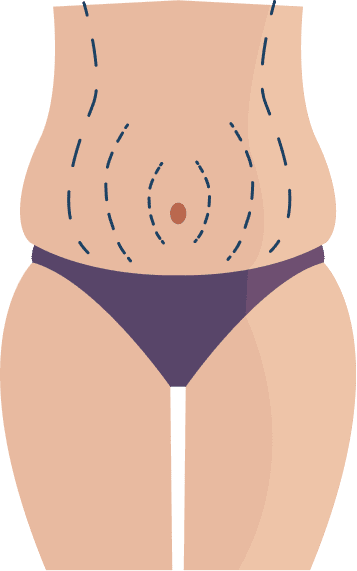
Excess fat is removed from the abdomen to create a flatter, smoother, and more defined waistline.
Love Handles
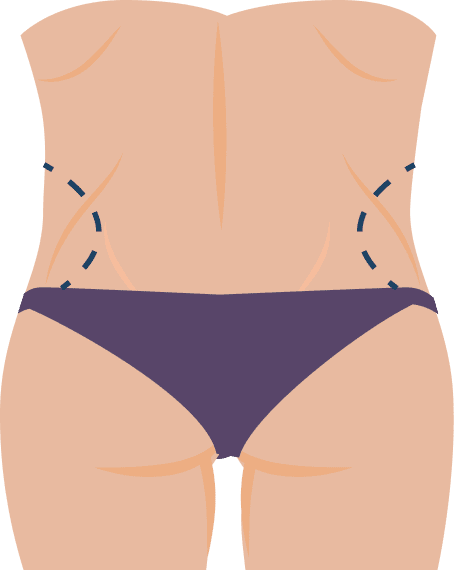
Stubborn fat at the sides of the waist is removed to create a slimmer waistline.
Back
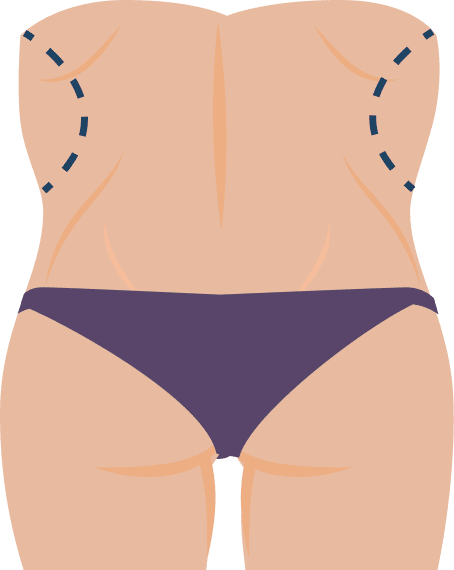
Fat is reduced to smooth out bulges and create a cleaner, more toned back shape.
Legs
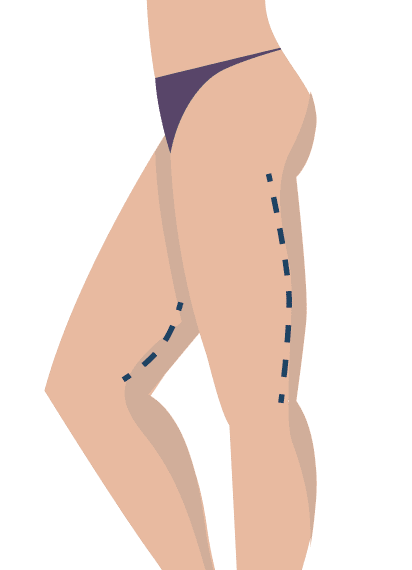
Local fat deposits are removed to help the legs look slimmer and more evenly shaped.
Buttocks
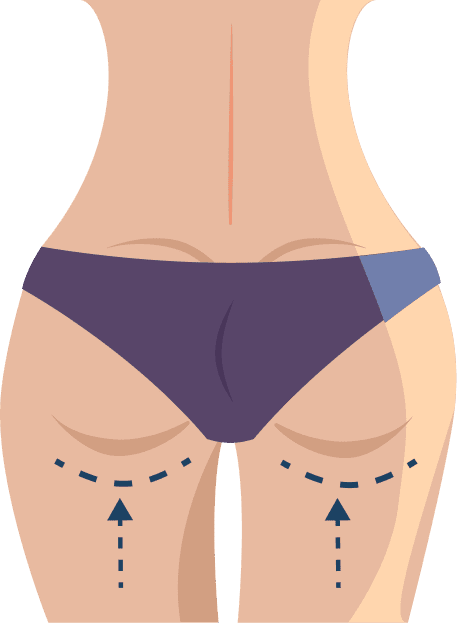
Excess fat is reduced to subtly refine the shape and enhance natural proportions.
Saddlebags
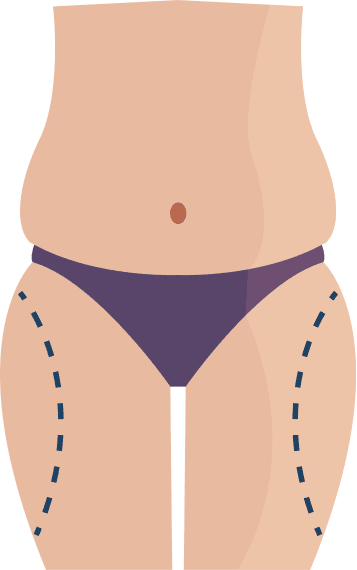
Fat on the outer hips is reduced to smooth curves and improve overall body balance.
Thighs
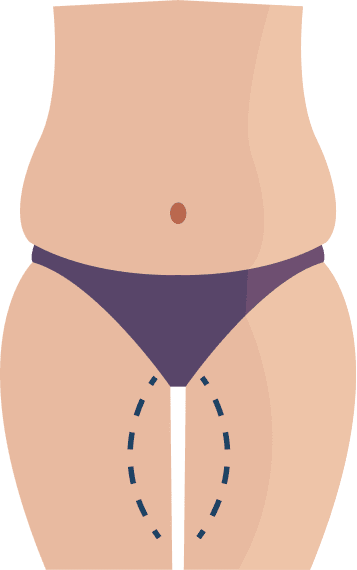
Fat is removed to smooth the thighs and create a more contoured leg appearance.
Shoulders
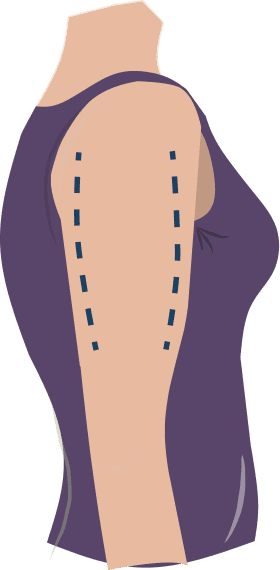
Liposuction gently removes fat to give the shoulders a more defined and balanced look.
Arms
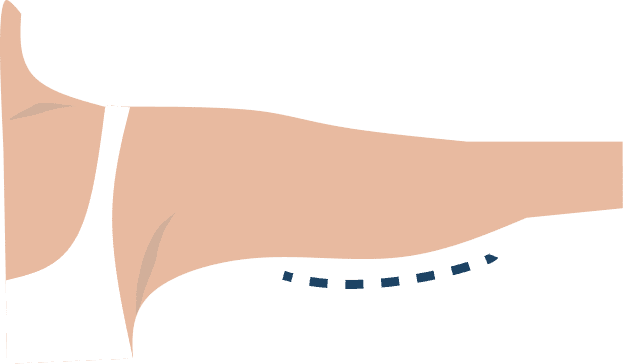
Stubborn fat under the arms is removed to slim the area and improve arm definition.
Double-Chin
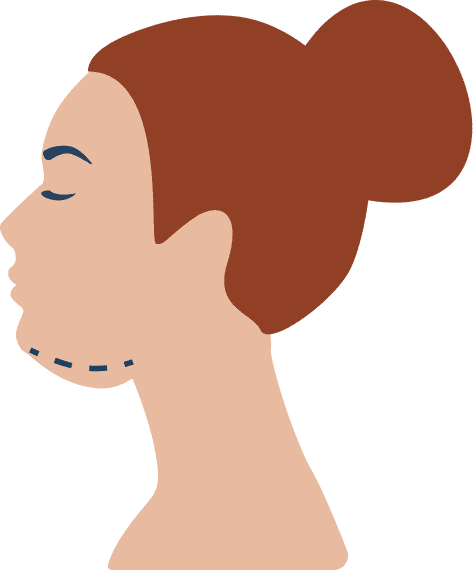
Fat under the chin is reduced to reveal a sharper jawline and a more refined profile.
Liposuction
Liposuction
Liposuction removes stubborn fat cells that don’t respond to diet or exercise. It helps to reshape the body for slimmer and more defined contours.
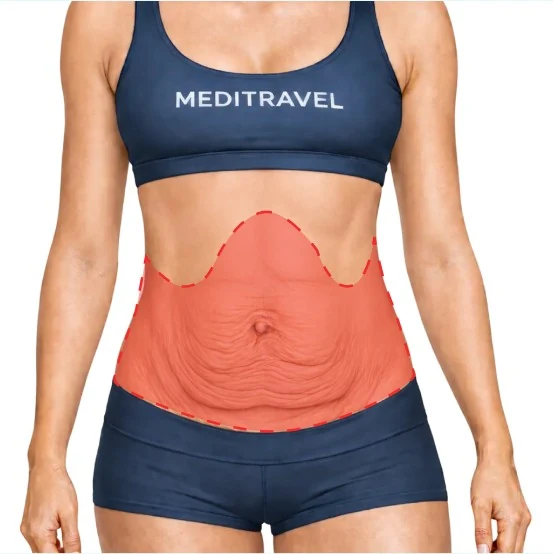
Abdominoplasty / Tummy-Tuck
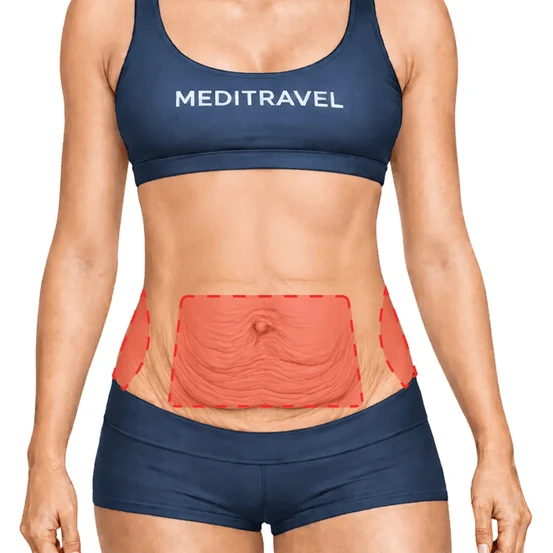
A tummy tuck removes loose skin and tightens the stomach muscles to give the abdomen a flatter and firmer look. It’s often combined with abdominal liposuction and is typically performed after pregnancy or significant weight loss.
Excessive Skin Removal
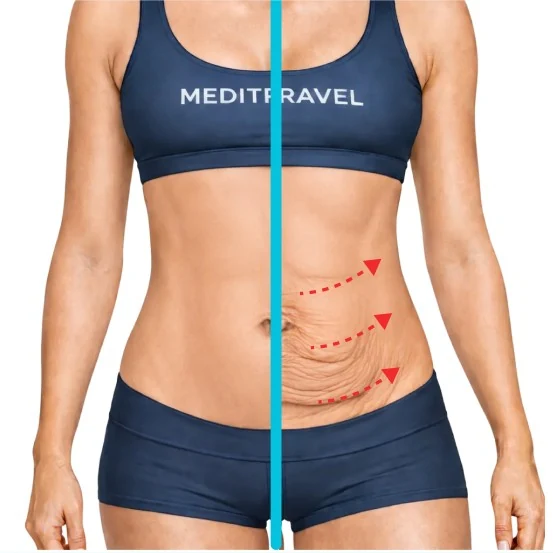
Excessive skin removal removes loose or hanging skin from a specific area, such as the abdomen, arms, thighs, or breasts. It helps the treated area look firmer and more refined after weight loss.
Body Lift
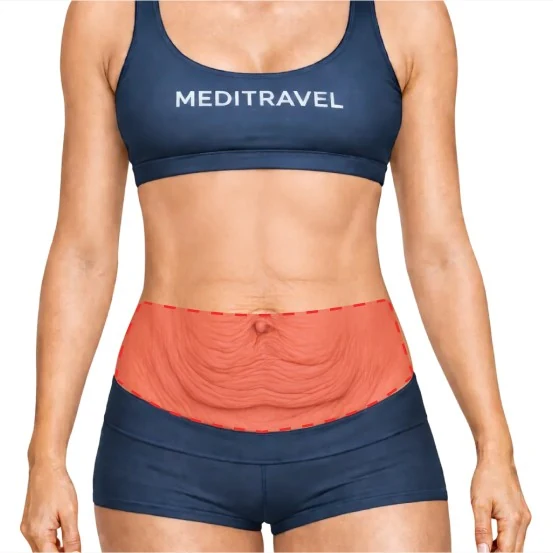
A body lift removes excess skin and fat from multiple areas of the body. This improves overall shape and helps achieve a more toned and balanced appearance after major weight loss.
Liposuction
Excess fat is removed from the abdomen to create a flatter, smoother, and more defined waistline.
Liposuction
Liposuction removes stubborn fat cells that don’t respond to diet or exercise. It helps to reshape the body for slimmer and more defined contours.
A tummy tuck removes loose skin and tightens the stomach muscles to give the abdomen a flatter and firmer look. It’s often combined with abdominal liposuction and is typically performed after pregnancy or significant weight loss.
Excessive skin removal removes loose or hanging skin from a specific area, such as the abdomen, arms, thighs, or breasts. It helps the treated area look firmer and more refined after weight loss.
A body lift removes excess skin and fat from multiple areas of the body. This improves overall shape and helps achieve a more toned and balanced appearance after major weight loss.
Liposuction
Plan your
Liposuction
Meditravel will find the right clinic and prepare you properly for your Liposuction.

Get your
Liposuction
Meditravel will organize your entire journey and support you at
each step.
Enjoy having
a slim body
With Meditravel you will get the result you wish to have.



“Meditravel will give
you extensive
instructions for the
preparation and
after-care of your
liposuction.”

Liposuction
Liposuction


Plan your
Liposuction
Meditravel will find the right clinic and prepare you properly for your Liposuction.

Get your
Liposuction
Meditravel will organize your entire journey and support you at each step.
Enjoy having
a slim body
With Meditravel you will get the result you wish to have.
“Meditravel will give you extensive instructions for the preparation and after-care of your liposuction.”

Liposuction
Arrival Day
Flight to the country of the clinic
Pick-Up at the Airport

Blood-Test in the clinic

Drop-Off at the hotel

Free-time (Sight seeing)

Operation Day
Drive from hotel to clinic

Live Consultation

Operation

Giving of after-care products

Drive to the hotel
Check-Up Day
Drive from hotel to clinic
Check-Up

Drive to the hotel
Return Trip
Drive to the airport
Return Flight


Flight to the country of the clinic

Pick-Up at the Airport

Blood-Test in the clinic

Drop-Off at the hotel

Free-time (Sight seeing)
Liposuction
Here is how to prepare for your Liposuction

Arrange compression garments for post-op.

Wear loose, comfortable clothing for post-op swelling.

Exercise for cardiovascular fitness before surgery (but stop strenuous exercise a few days before).

Be well-rested before your Liposuction.

Stop nicotine (smoking, vaping) at least 2 weeks before your liposuction to reduce healing complications.

Don’t drink any alcohol for 1 week prior to your Liposuction.

Have your last coffee, tea or energy drink 24 hours before your Liposuction.

Don’t take any blood-thinning medication (e.g. Aspirin, Ibuprofen) for 10 days prior to your Liposuction.

Avoid for 2 weeks supplements/herbs that may thin blood (Ginkgo, Ginseng, Garlic, Vitamin E or Omega-3).

Organize a support person for the first 24–48 hours after your Liposuction.

Don’t use any lotions, creams, or deodorant before your liposuction.

Fasting for at least 8 hours prior to your liposuction is important (no solid foods/drinks).

Drinking of water is allowed 2 to 8 hours prior to the operation.

Stay well hydrated before surgery (but stop drinking at the required fasting time).
What to consider before Liposuction
Requirements

Minimum age of 18 (exceptions possible for minors).
Have stable reasons for your liposuction.
Be realistic about the expected result.
Have emotional maturity.
BMI between 18.5 and 30.
Health
Inform your advisor or clinic about your medical history, past surgeries, and medications.
Be in good overall health, without any active infections or untreated illnesses.
Follow the Meditravel guidance on how to prepare your body for surgery. (e.g. smoking, alcohol consumption)
Consider having a blood test before traveling to ensure you’re healthy.
Best results are reached with a stable weight near ideal weight and good skin elasticity.
Research
Compare prices, but focus on quality over the lowest cost. It’s still a medical procedure.
Find the right clinic. Meditravel is specialized in helping you with this (for free).
Discuss your goals, expectations, and questions during your consultation.
Learn about preparation, recovery, and possible complications.
Planning
Plan the timing of your liposuction properly. (e.g. pregnancy, stressful times during work or studies)
Depending on your job, get enough time off work for proper recovery.
Consider travel requirements (e.g. Visa request)
Choose flight times that allow relaxed travel. (Don’t arrive last minute)
Liposuction
Here is how to prepare for your Liposuction

Arrange compression garments for post-op.
What to consider before Liposuction
Minimum age of 18 (exceptions possible for minors).
Have stable reasons for your liposuction.
Be realistic about the expected result.
Have emotional maturity.
BMI between 18.5 and 30.
If you have any questions regarding your recovery, contact anytime your Meditravel consultant.
The recovery process for liposuction varies by:
Individual healing capabilitiesAdherence to post-operative care instructionsExtent of the procedureDay 1-3:
Day 4-7:
1-2 weeks:
3-4 weeks:
5-6 weeks:
2-3 months:
4-6 months:

*For a proper recovery, it is important to follow all given instructions carefully.
Back to work
Usually after 5-7 days (office work)
Sports
After 4-6 weeks (fitness or jogging)
Compression garments
Minimum 4-6 weeks. Up to 8 weeks.
Liposuction
If you have any questions regarding your recovery, contact anytime your Meditravel consultant.
The recovery process for
liposuction varies by:
Individual healing capabilitiesAdherence to post-operative care instructionsExtent of the procedureDay 1-3:
Day 4-7:
1-2 weeks:
3-4 weeks:
5-6 weeks:
2-3 months:
4-6 months:

*For a proper recovery, it is important to follow all given instructions carefully.
Back to work
Usually after 5-7 days (office work)
Sports
After 4-6 weeks (fitness or jogging)
Compression garments
Minimum 4-6 weeks. Up to 8 weeks.
Rest much to promote recovery. Especially directly after your operation.
Drink at least 2-3 liters of water daily to achieve optimal healing.
Follow a healthy and nutrient rich diet (Avoid processed food).
Avoid alcohol for at least 1-2 weeks.
Don’t smoke / vape for 4-6 weeks.
Take medications as prescribed.
Light walking is encouraged after a few days to promote blood circulation.
Wear compression garments to support healing and optimize results.
After 10 days start with
Post-Liposuction Massage.
Keep your weight stable, as liposuction is not a substitute for a healthy lifestyle.
Keep the wound sites clean and change dressings (bandages) regularly.
Use showers instead of baths.
Avoid any body cosmetics (e.g. body lotion) in the initial healing phase.
Avoid tight waistbands or undergarments that could cause uneven pressure.
Avoid heat (e.g. sauna, strong sun) for at least 2 months.
Ready for your Liposuction?
Learn More
Liposuction
Liposuction
“Here you will learn everything about liposuction.”
Body Mass Index
Important:
“Liposuction requires a BMI below 30!”.

BMI - Body Mass Index
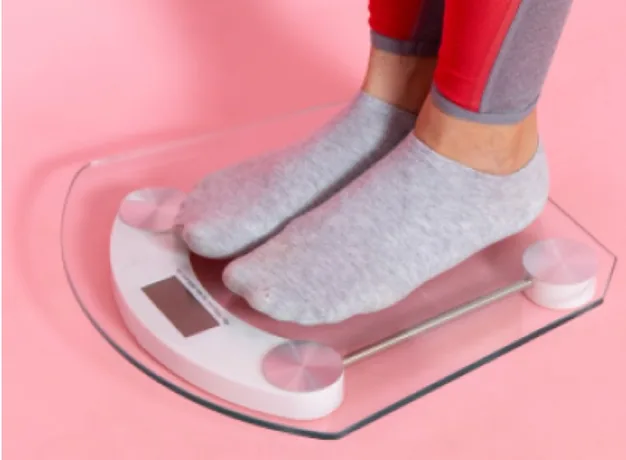
The Body Mass Index (BMI) is a way to measure a person’s body fat based on height and weight.
Max BMI 30
Liposuction has a general BMI limit of 30, as it can otherwise lead to excessive skin.
(Exceptions are possible on an individual basis)
BMI weight ranges

Underweight = <18.5
Normal weight = 18.5–24.9
Overweight = 25–29.9
Obesity = 30-34.9
Obesity = 30-max
*BMI values for adults >20 years
Calculate your BMI
Body Mass Index
Important:
“Liposuction requires a BMI below 30!”
BMI - Body Mass Index
The Body Mass Index (BMI) is a way to measure a person’s body fat based on height and weight.
Max BMI 30
Liposuction has a general BMI limit of 30, as it can otherwise lead to excessive skin.
(Exceptions are possible on an individual basis)
BMI weight ranges
Underweight = <18.5
Normal weight = 18.5–24.9
Overweight = 25–29.9
Obesity = 30-34.9
Obesity = 30-max
*BMI values for adults >20 years
Calculate your BMI
Methods
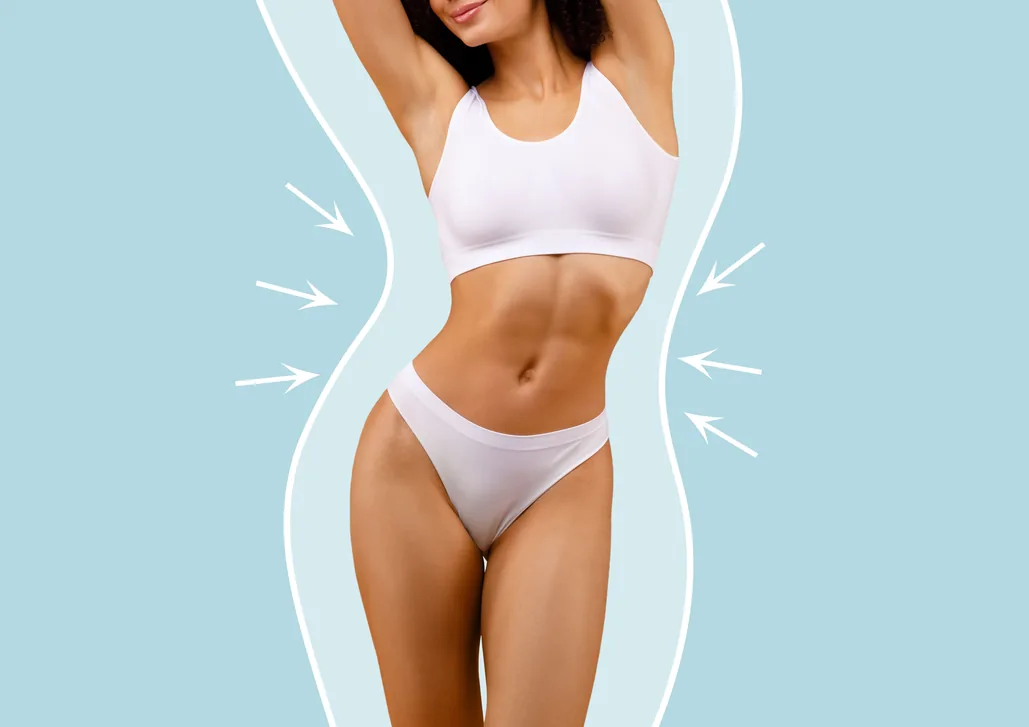
Several liposuction methods are available, each offering their own advantages and considerations. The chosen liposuction technique depends on various factors, such as the patient’s anatomy, the amount of fat to be removed, the desired outcomes, and the surgeon's expertise and preferences.
Tumescent Liposuction
A Tumescent liposuction loosens and suctions out fat cells from various body parts.
Vaser Liposuction
Vaser liposuction uses ultrasound technology to liquefy and selectively remove fat cells.
Laser-Assisted Liposuction (LAL)
A Laser-Assisted Liposuction (LAL) uses laser energy to liquefy fat cells before suctioning them out.
Water-Assisted Liposuction (WAL)
The Water-Assisted Liposuction (WAL) technique uses a pressurized stream of saline to gently dislodge and remove fat cells from the body.
Methods
Several liposuction methods are available, each offering their own advantages and considerations. The chosen liposuction technique depends on various factors, such as the patient’s anatomy, the amount of fat to be removed, the desired outcomes, and the surgeon's expertise and preferences.
A Tumescent liposuction loosens and suctions out fat cells from various body parts.
Vaser liposuction uses ultrasound technology to liquefy and selectively remove fat cells.
A Laser-Assisted Liposuction (LAL) uses laser energy to liquefy fat cells before suctioning them out.
The Water-Assisted Liposuction (WAL) technique uses a pressurized stream of saline to gently dislodge and remove fat cells from the body.
Methods
Abdominoplasty (Tummy Tuck)
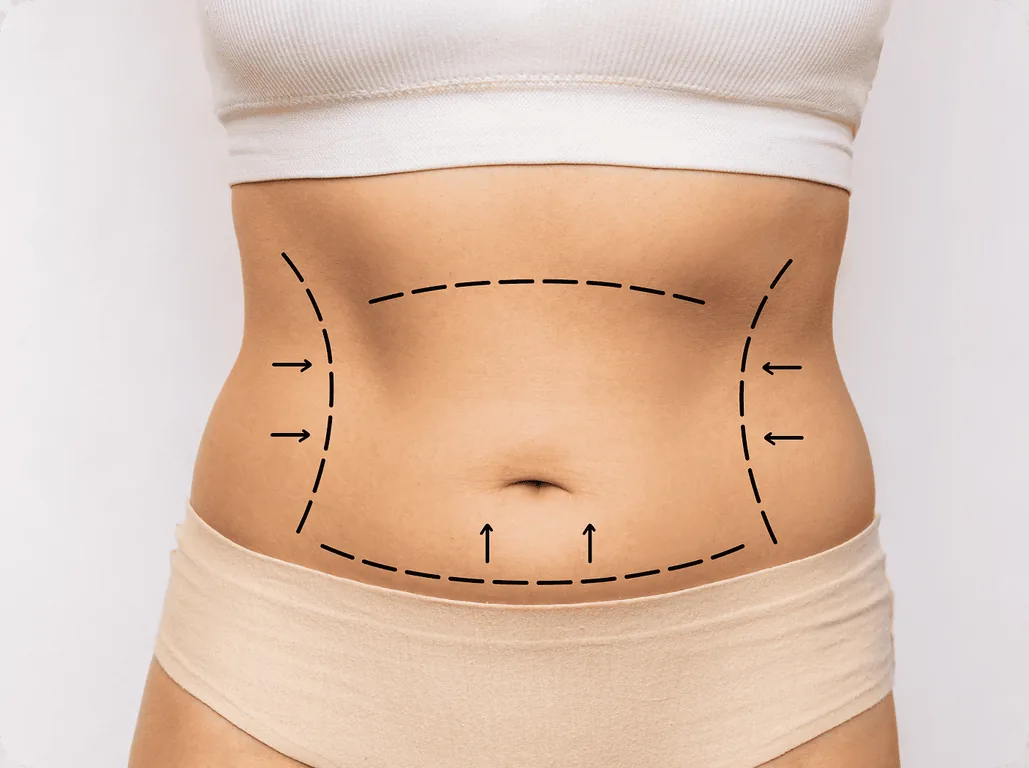
A tummy tuck removes loose skin and tightens the stomach muscles to give the abdomen a flatter and firmer look. It’s often combined with abdominal liposuction and is typically performed after pregnancy or significant weight loss.
Ideal for: People with loose abdominal skin or weakened muscles after pregnancy or significant weight loss.
Excessive Skin Removal
Excessive skin removal removes loose or hanging skin from a specific area, such as the abdomen, arms, thighs, or breasts. It helps the treated area look firmer and more refined after weight loss.
Ideal for: People who have loose or hanging skin in specific areas after weight loss, pregnancy, or aging.
Body Lift
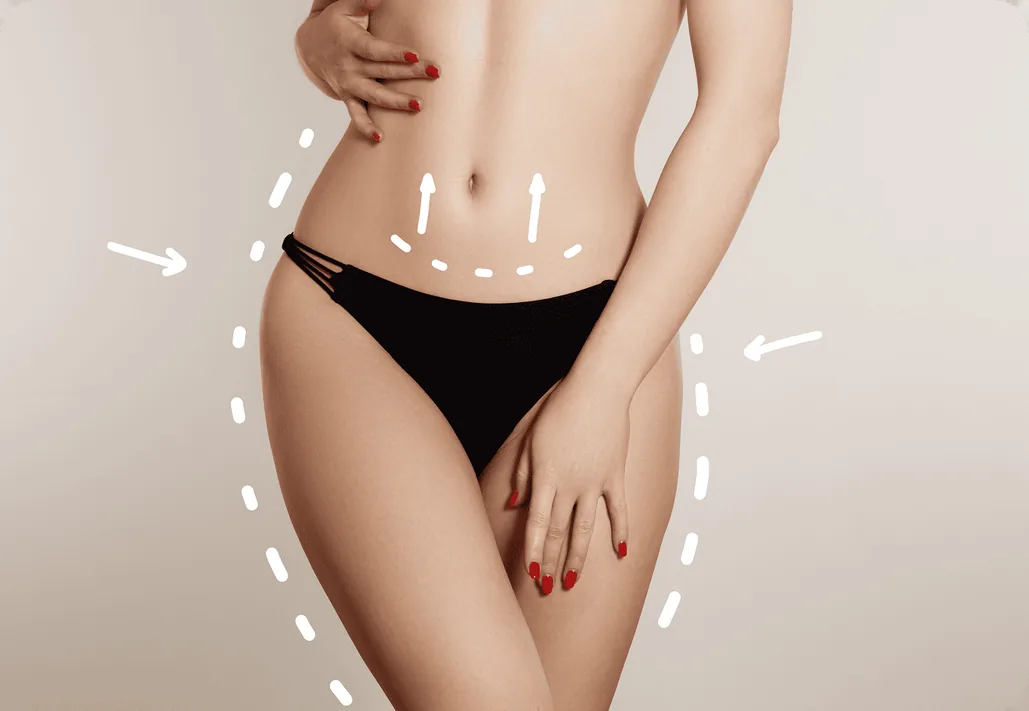
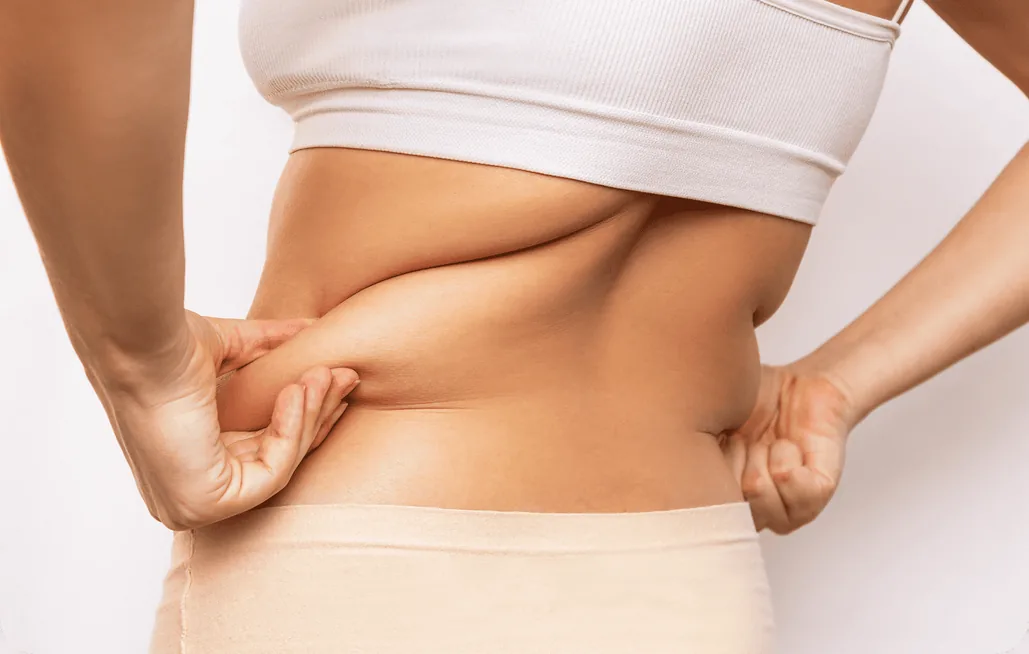
A body lift removes excess skin and fat from multiple areas of the body. This improves overall shape and helps achieve a more toned and balanced appearance after major weight loss.
Ideal for: People who have lost a significant amount of weight and are left with loose skin around multiple areas of the body.
Methods
A tummy tuck removes loose skin and tightens the stomach muscles to give the abdomen a flatter and firmer look. It’s often combined with abdominal liposuction and is typically performed after pregnancy or significant weight loss.
Ideal for: People with loose abdominal skin or weakened muscles after pregnancy or significant weight loss.
Excessive skin removal removes loose or hanging skin from a specific area, such as the abdomen, arms, thighs, or breasts. It helps the treated area look firmer and more refined after weight loss.
Ideal for: People who have loose or hanging skin in specific areas after weight loss, pregnancy, or aging.
A body lift removes excess skin and fat
from multiple areas of the body. This improves overall shape and helps achieve a more toned and balanced appearance after major weight loss.
Ideal for: People who have lost a significant amount of weight and are left with loose skin around multiple areas of the body.
Bariatric Surgery
Important:
“If a person struggles to reduce BMI below 30 in order to undergo liposuction, bariatric surgery helps reduce body weight.”

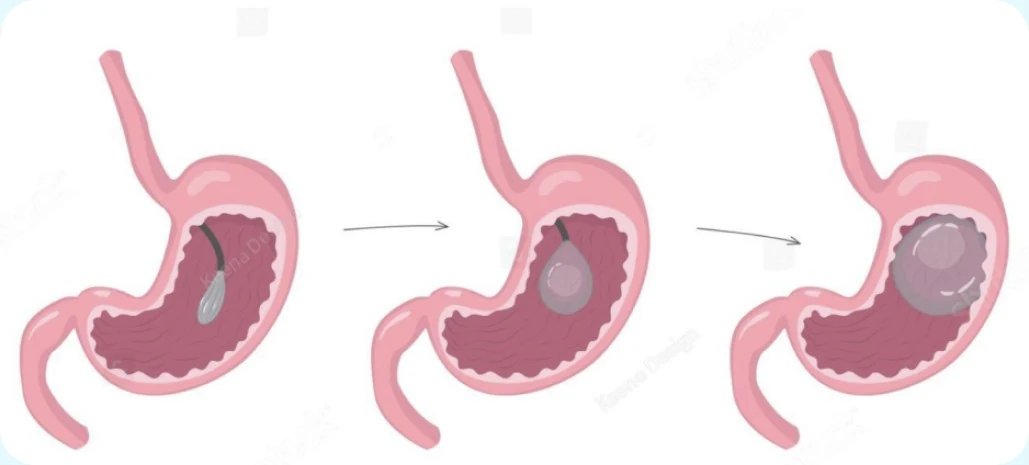
A gastric balloon reduces space within the stomach, to create a feeling of fullness and satiety. This helps achieving significant weight loss.
In a non-surgical procedure, a deflated balloon gets temporarily placed in the stomach. There it gets inflated with saline solution, to occupy space within the stomach. After 6 to 12 months the gastric balloon gets removed.
A gastric band reduces the size of the stomach, inducing an earlier feeling of fullness and satiety.
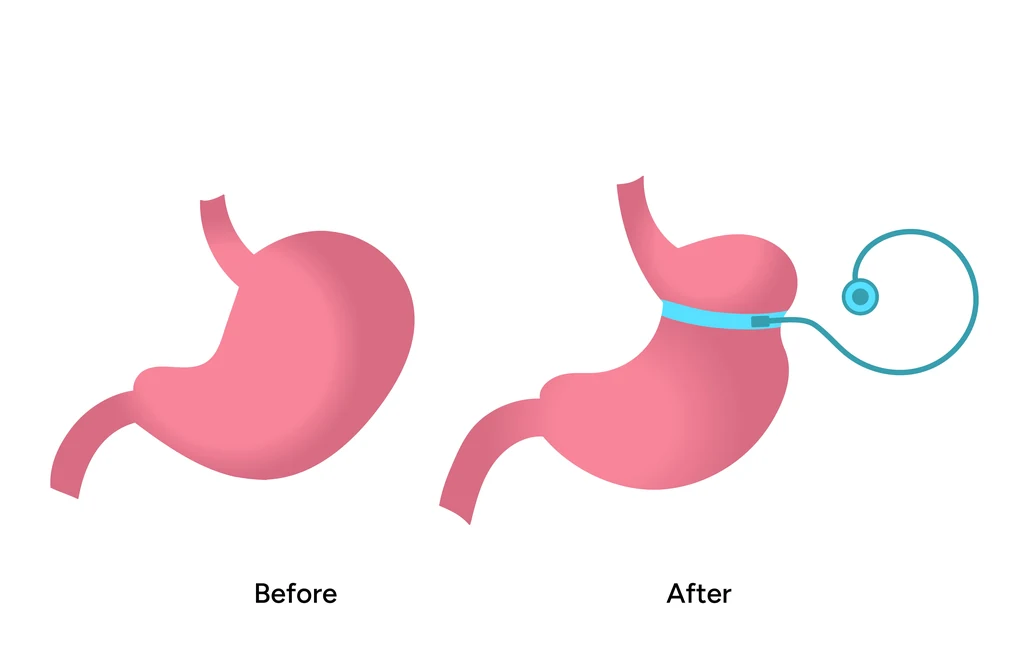
An inflatable silicone band is placed around the upper portion of the stomach. This creates a smaller stomach pouch that limits the amount of food that can be eaten at one time. A feeling of fullness and satiety gets induced earlier, which promotes weight loss.
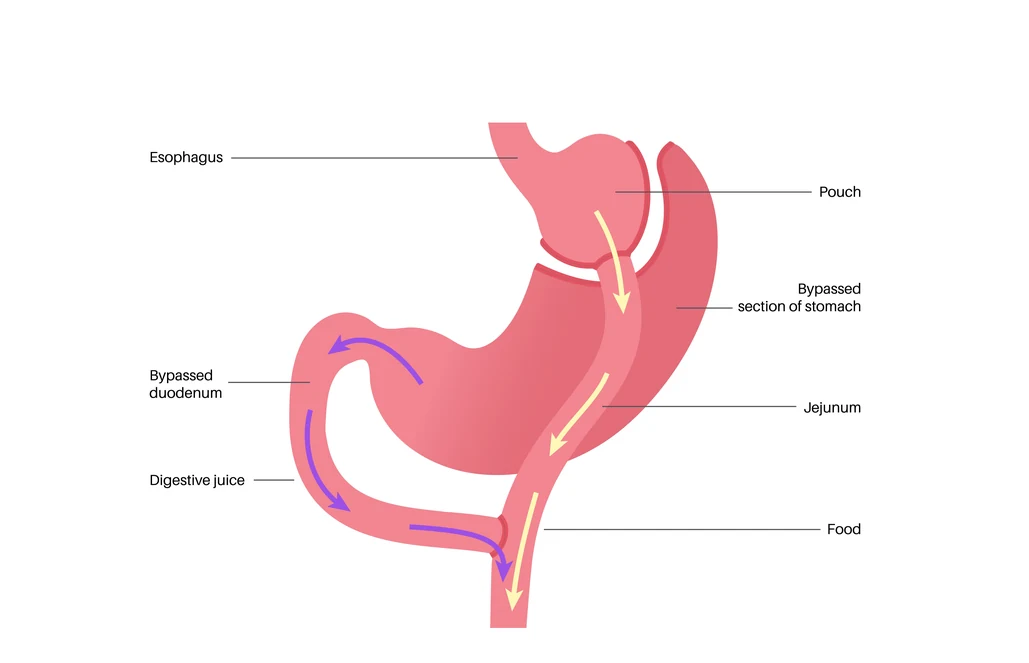
A gastric bypass alters the digestive process bypassing a large part of the stomach and the first part of the small intestine. This allows digestive juices to be mixed with food later in the digestive process, leading to reduced calorie absorption and significant weight loss.
Step 1 - Stomach Pouch Creation: At the top part of the stomach a small pouch is created with surgical staples. This reduces the stomach size and therefore significantly reduces the amount of food the stomach can hold at one time.
Step 2 - Bypass: The small intestine gets divided. The bottom part of the divided small intestine gets connected to the created stomach pouch from Step 1. Then the bypassed part (Bypassed Duodenum) of the small intestine gets connected to a middle part of the small intestine (Jejunum).
A sleeve gastrectomy reduces the size of the stomach. A reduced feeling of hunger and food intake leads to weight loss.
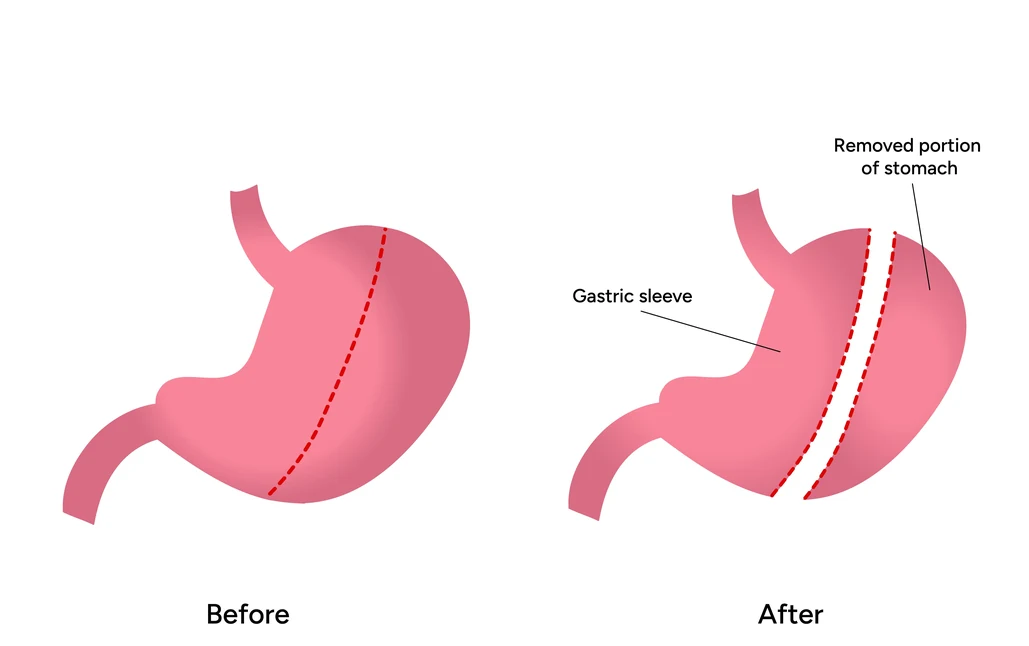
In a sleeve gastrectomy a large portion of the stomach gets reduced in size. This creates a smaller sleeve-shaped stomach that limits the amount of food that can be consumed. Additionally gut hormones and appetite-stimulating hormones are altered. This reduces the feeling of hunger and satiety. Blood sugar gets controlled.
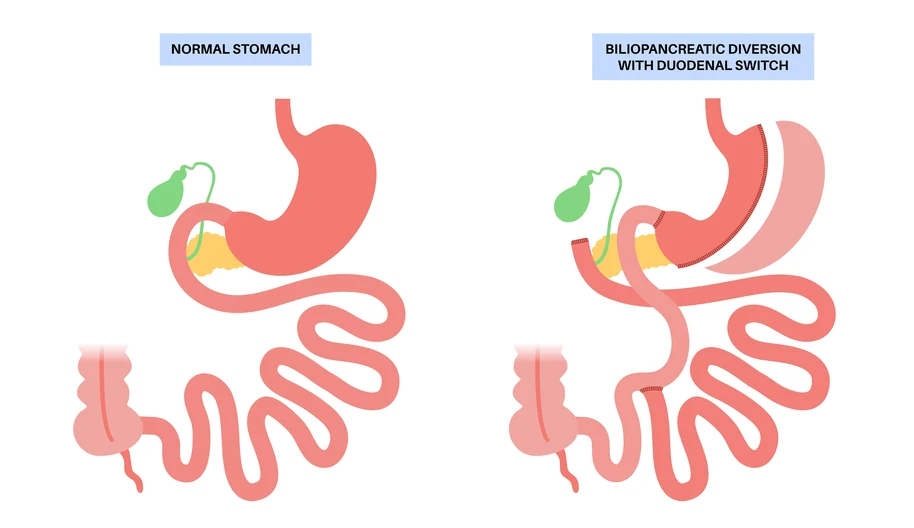
A Biliopancreatic Diversion with a Duodenal Switch is a surgical reduction of the stomach size with a bypass of the small intestine. This drastically reduces the food intake and calorie absorption, leading to significant weight loss.
A Biliopancreatic Diversion with a Duodenal Switch is a more complex surgery that involves two main steps.
Step 1 - Sleeve Gastrectomy: A large part of the stomach gets removed (about 70-80%), leaving a tube-shaped stomach, similar to a banana.
Step 2 - Intestinal Bypass: The small intestine gets divided, with one part being connected to the stomach sleeve. The other end is connected further down the small intestine, significantly bypassing a large portion of the small intestine.
Bariatric Surgery
Important:
“If a person struggles to reduce BMI below 30 in order to undergo liposuction, bariatric surgery helps reduce body weight.”
A gastric balloon reduces space within the stomach, to create a feeling of fullness and satiety. This helps achieving significant weight loss.
A gastric band reduces the size of the stomach, inducing an earlier feeling of fullness and satiety.
A gastric bypass alters the digestive process bypassing a large part of the stomach and the first part of the small intestine. This allows digestive juices to be mixed with food later in the digestive process, leading to reduced calorie absorption and significant weight loss.
A sleeve gastrectomy reduces the size of the stomach. A reduced feeling of hunger and food intake leads to weight loss.
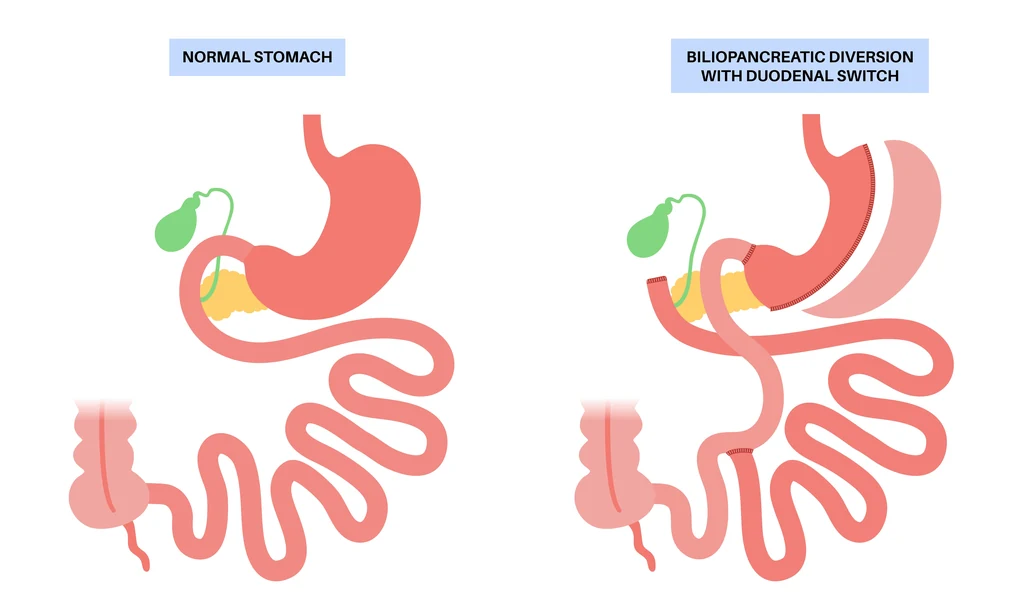
A Biliopancreatic Diversion with a Duodenal Switch is a surgical reduction of the stomach size with a bypass of the small intestine. This drastically reduces the food intake and calorie absorption, leading to significant weight loss.
Liposuction
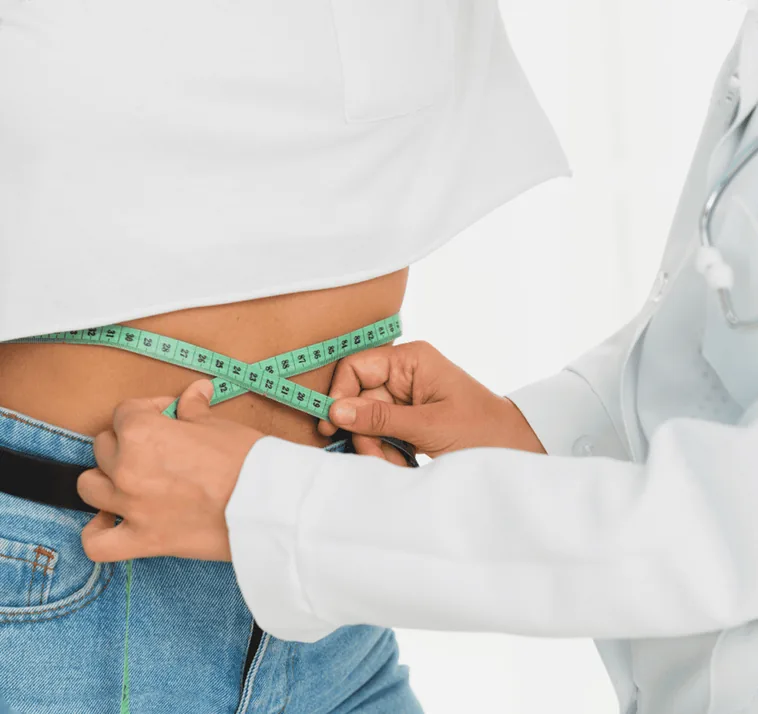
Complications in Liposuction are rare!
To minimize the likelihood of complications and
achieve optimal outcomes:

Follow instructions for surgery preparation and aftercare.
Understand possible complications.
Communicate any unusual symptoms or concerns promptly.
Bleeding
Minor bleeding and bruising are common after liposuction and abdominoplasty, but in rare cases, blood can collect under the skin and form a hematoma. This risk can be reduced with compression garments, though in severe cases drainage might be required.
People who use blood thinners (anticoagulants) or have high blood pressure, may experience increased bleeding. Both during the surgery as well as during the healing. Advise in advance your Meditravel consultant and the clinic about high blood pressure or the usage of blood thinners.

If you have any questions regarding potential risks and complications in Liposuction, contact anytime your Meditravel consultant.
Liposuction
Complications in
Liposuction are rare!
To minimize the likelihood of complications and achieve optimal outcomes:

Follow instructions for surgery preparation and aftercare.
Understand possible complications.
Communicate any unusual symptoms or concerns promptly.
General
Possible in all operations
Minor bleeding and bruising are common after liposuction and abdominoplasty, but in rare cases, blood can collect under the skin and form a hematoma. This risk can be reduced with compression garments, though in severe cases drainage might be required.
People who use blood thinners (anticoagulants) or have high blood pressure, may experience increased bleeding. Both during the surgery as well as during the healing. Advise in advance your Meditravel consultant and the clinic about high blood pressure or the usage of blood thinners.
Normal Side-Effects
Expected & Temporary
Swelling is a normal symptom after liposuction, as the body reacts to the trauma of fat removal by sending fluid to the treated areas. Compression garments, gentle walking, and proper hydration help reduce swelling more quickly.
Operation Specific
Mainly in Liposuction
Uneven fat removal, differences in skin elasticity or temporary swelling can create contour irregularities that can appear as lumps, waves or small uneven areas. Most cases improve naturally as swelling decreases, and minor issues can be corrected with massage, compression garments, or small touch-up procedures. Severe irregularities may require revision.
Abdominoplasty
Tummy Tuck
Abdominal tightness feels like strong muscle tension in the tummy area. This is caused by tightening of the abdominal muscles and swelling in the early healing phase. It usually improves over the first 1-2 weeks, and gentle stretching, walking, and time help relieve the tightness.

If you have any questions regarding potential risks and complications in Liposuction, contact anytime your Meditravel consultant.
Ready for your Liposuction?
Frequently Asked Questions
Liposuction
Yes, the consultation with Meditravel is free and non-binding. You can share your photos, goals, and questions with us, and we will help you understand which liposuction options may be suitable for you. You are not obligated to book anything after the consultation.
The cost of liposuction depends on the treated areas, the amount of fat to be removed, the clinic, the surgeon’s experience, and whether multiple areas are combined. After reviewing your case, we will provide you with a personalized offer, so you know exactly what is included before making a decision.
In most cases, liposuction is considered an aesthetic procedure and is therefore not covered by health insurance. In rare medical cases, such as certain lipedema treatments, partial coverage may be possible depending on the country and insurance provider. We recommend checking directly with your insurance company before planning surgery.
Depending on your country, instalment payments or financing options may be available. Please ask your personal advisor if you would like to pay for your liposuction in instalments. We will gladly guide you through the available options.
Meditravel may offer discounts for certain patients, such as group bookings, patients coming with friends, referrals, or special promotional campaigns. The best way to check your available discount options is to speak with your personal advisor during your free consultation.
Liposuction is a surgical procedure that removes stubborn fat deposits from specific areas of the body. It is commonly used for areas such as the abdomen, waist, hips, thighs, arms, back, chin, or knees. The goal is not major weight loss, but to improve body shape and create a more defined contour.
Liposuction can be performed on many areas where stubborn fat is difficult to reduce through diet and exercise. Common treatment areas include the abdomen, flanks, thighs, hips, arms, back, chin, knees, and chest area in some male patients. During your consultation, the surgeon will check which areas are suitable and how they can be treated safely.
Liposuction is possible in many areas, but not every area is suitable for every patient. The surgeon must consider skin quality, fat distribution, blood vessels, nerves, and overall safety. A personal consultation is necessary to decide whether liposuction is the right option for the area you want to treat.
Yes, multiple areas can often be treated during one liposuction procedure. This can help create a more balanced body shape and may reduce the need for several separate surgeries. However, patient safety always comes first. The surgeon will decide how many areas can be treated safely in one session.
Yes, liposuction can sometimes be repeated in the same area, but this depends on your skin quality, scar tissue, healing, and the amount of remaining fat. Revision liposuction should always be carefully planned by an experienced surgeon.
Yes, liposuction can help improve mild to moderate asymmetry caused by uneven fat distribution. By removing fat more selectively, the surgeon can create a more balanced body contour. However, perfect symmetry cannot be guaranteed, as every body naturally has some differences between both sides.
In certain cases, liposuction can be used as part of lipedema treatment. It may help reduce painful fat accumulation, swelling, and discomfort in suitable patients. Lipedema treatment requires a proper medical diagnosis and specialist evaluation, as it is different from cosmetic liposuction.
No, liposuction is not a weight loss procedure. It is designed for body contouring and removing localized fat deposits that do not respond well to diet and exercise. The best candidates are usually close to their target weight and want to improve specific body areas.
Liposuction may slightly reduce body weight because fat is removed, but this is not its main purpose. The real goal is to improve shape, contour, and body proportions. Long-term weight control still depends on a healthy diet, regular movement, and a stable lifestyle.
Diet and exercise are important for general health and weight control. Liposuction is different because it targets stubborn fat areas that may remain even with a healthy lifestyle. In many cases, the best result comes from both: a stable, healthy weight combined with liposuction for specific contour improvements.
Tumescent liposuction uses a special fluid that helps numb the area, reduce bleeding, and make fat removal easier. Laser-assisted liposuction uses heat energy to help break down fat before removal. VASER liposuction uses ultrasound energy to loosen fat cells more precisely before they are removed. The best method depends on your body, treatment area, and surgeon’s recommendation.
The method depends on your treatment area, body type, skin quality, fat distribution, and desired result. Your surgeon will choose the technique that is safest and most suitable for your individual case.
Liposuction can make treated areas look slimmer, smoother, and more defined. It can improve body proportions and help remove stubborn fat that has not responded well to diet and exercise. However, liposuction will not completely change your body, remove large amounts of weight, or replace a healthy lifestyle.
The fat cells removed during liposuction are permanently removed. However, the remaining fat cells in your body can still become larger if you gain weight. For long-lasting results, it is important to maintain a stable weight after the procedure.
You may notice an improvement after the first swelling starts to go down. However, swelling is normal and can hide the final result in the beginning. Most patients see a clear improvement after several weeks, while the final result usually becomes visible after several months.
Yes, significant weight gain or weight loss can affect your liposuction results. Weight gain can enlarge remaining fat cells, while major weight loss may lead to looser skin. For the best long-term result, it is recommended to keep your weight as stable as possible.
If you gain weight after liposuction, the treated area may still look better than before, but your overall body shape can change. Remaining fat cells in the body can still grow larger. A stable weight helps protect your result and keep your body contour more balanced.
Major weight changes can affect the shape, firmness, and symmetry of the treated areas. Weight gain may increase fat in untreated or remaining areas, while major weight loss can lead to loose skin. That is why liposuction is usually recommended when your weight is already stable.
Some skin tightening may happen naturally after liposuction, especially if you have good skin elasticity. Younger patients or patients with firm skin often see better skin retraction. If there is already a lot of loose skin, liposuction alone may not be enough. In these cases, a skin-removal procedure such as a tummy tuck may be more suitable.
Liposuction is not mainly designed to treat cellulite. It can improve body contour, but it may not significantly improve skin dimpling or uneven skin texture. If cellulite is your main concern, other treatment options may be more suitable.
Liposuction removes fat, but it does not remove excess skin. If your skin has good elasticity, it may tighten naturally over time. If the skin is very loose, an additional procedure such as abdominoplasty, arm lift, thigh lift, or body lift may be recommended.
A good candidate for liposuction is someone who is close to their ideal weight but has stubborn fat deposits in specific areas. You should be in good general health, have realistic expectations, and ideally have good skin elasticity for a smoother result.
Liposuction may not be suitable for patients who want major weight loss, have severe loose skin, uncontrolled medical conditions, or unrealistic expectations. It may also not be ideal for patients who cannot follow the preparation and aftercare instructions given by the surgeon.
Liposuction is usually performed on adults whose body development is complete. There is no single perfect age, because suitability depends on health, body shape, skin quality, and expectations. A surgeon will always evaluate whether the procedure is safe and appropriate for the patient.
Age alone does not decide whether someone is suitable for liposuction. Skin quality and general health are often more important. Younger patients usually have better skin elasticity, but older patients can also achieve good results if their skin and health condition are suitable.
Liposuction is usually best for patients who are close to a healthy or stable weight. It is not intended as a treatment for obesity. A personal consultation is needed to check whether your BMI, health condition, and body goals are suitable for liposuction.
Liposuction may be possible with a BMI above 30 in selected cases, but it depends on your general health, fat distribution, and the surgeon’s safety assessment. A higher BMI can increase surgical risks and may affect the final result, so a detailed medical evaluation is required.
If you are significantly above your target weight, it is usually better to lose weight first. Liposuction works best when used for shaping specific areas, not for major weight reduction. Being close to your stable goal weight can improve both safety and long-term results.
Your weight should ideally be stable for several months before liposuction. Frequent weight changes can make surgical planning more difficult and may affect the final result. A stable weight gives the surgeon a better basis to create a balanced body contour.
Liposuction usually takes around 1 to 3 hours, depending on the number and size of the treated areas. Smaller areas may take less time, while multiple or larger areas usually require a longer operation.
Liposuction can be performed under local anesthesia with sedation or under general anesthesia. The best option depends on the treated area, the amount of fat removal, and your medical condition. Your surgeon will choose the safest and most comfortable option for your case.
Small areas may sometimes be treated under local anesthesia with sedation. Larger areas or multiple combined areas are often performed under general anesthesia. Your surgeon and anesthesiologist will explain which option is most suitable for your procedure.
Yes, liposuction should be performed in a certified hospital or accredited surgical facility with proper safety and hygiene standards. Meditravel works with selected clinics that are experienced in treating international patients and follow professional medical standards.
Yes, medical tests are usually required before liposuction. These may include blood tests, a general health check, and an anesthesia evaluation. These tests help confirm that you are fit for surgery and that the procedure can be performed safely.
The safe amount depends on your body, health condition, treatment areas, and the surgeon’s medical judgment. The goal should never be to remove the maximum possible amount of fat. A safe and balanced result is more important than the number of liters removed.
Drains are not always necessary after liposuction. In some cases, especially when larger areas are treated, temporary drains may be used to reduce fluid buildup. Your surgeon will decide whether drains are needed based on your procedure.
Recovery depends on the treated areas and the extent of the procedure. Many patients can return to light daily activities within a few days. Swelling, tightness, and soreness are normal in the beginning, and final results can take several months to fully appear.
For the first 24 to 48 hours, it can be helpful to have someone assist you, especially after larger liposuction procedures. Most patients can manage simple daily activities fairly soon, but you should still rest and avoid overexertion during the early recovery phase.
Swelling is normal after liposuction and can last for several weeks. Most swelling improves during the first month, but mild swelling can remain for several months. This is why the final result is not visible immediately.
Many patients can return to office work after a few days to one week. If your job is physically demanding, you may need more time to recover. Your surgeon will give you individual advice based on the treated areas and your healing progress.
Light walking is usually encouraged soon after surgery. More intense exercise, gym training, or heavy lifting should usually be avoided for several weeks. Many patients return to sports after around 3 to 4 weeks, depending on their recovery and surgeon’s approval.
Sexual activity can usually be resumed once you feel comfortable, often after 1 to 2 weeks. You should avoid pressure, friction, or strain on the treated areas during the early healing phase. Always follow your surgeon’s personal recommendation.
Short flights may be possible after a few days, depending on your recovery and the extent of the procedure. Longer flights may require more time, as sitting for long periods can increase discomfort and swelling. Your surgeon should confirm when it is safe for you to fly.
Sauna visits should be avoided for several weeks after liposuction. Heat can increase swelling and may slow down the healing process. You should only return to sauna once your surgeon confirms that your body has healed enough.
Direct sun exposure should be avoided during the early healing phase, especially around incision areas. Sun exposure can darken scars and affect healing. Once your surgeon allows sun exposure again, use strong sun protection and cover healing areas carefully.
Yes, compression garments are usually recommended after liposuction. They help reduce swelling, support the treated areas, and assist the body while it adapts to its new shape. Wearing them as instructed can support a smoother recovery and better contour.
Compression garments are commonly worn for around 4 to 6 weeks after liposuction, depending on the treated areas and your surgeon’s instructions. Your clinic will tell you exactly how long and how often you should wear them.
Liposuction is performed under anesthesia, so you should not feel pain during the procedure. After surgery, soreness, tightness, swelling, and bruising are normal. Most discomfort can be managed with prescribed pain medication and usually improves during the first days.
Liposuction is generally safe when performed by an experienced surgeon in a proper medical facility. However, like any surgery, it has possible risks. These may include swelling, bruising, infection, fluid buildup, numbness, contour irregularities, or delayed healing. Careful planning and proper aftercare help reduce these risks.
Liposuction requires small incisions, so tiny scars can remain. These scars are usually placed discreetly and often fade significantly over time. Proper scar care and sun protection can help improve their appearance.
Smoking and nicotine reduce blood flow and oxygen supply to the tissues. This can slow healing and increase the risk of complications. For safer healing and better results, you should stop smoking before and after liposuction according to your surgeon’s instructions.
Alcohol should be avoided during the early recovery phase. It can increase swelling, interfere with medication, and slow down healing. Many surgeons recommend avoiding alcohol for at least 1 to 2 weeks, but you should follow your doctor’s specific instructions.
Tobacco, cigarettes, and e-cigarettes should be avoided for several weeks before and after surgery. The main concern is nicotine, which restricts blood flow and can negatively affect healing. Your surgeon will tell you exactly how long you should avoid nicotine products based on your procedure and recovery.
Abdominoplasty
Liposuction removes stubborn fat from specific areas of the body to improve body contour. Abdominoplasty, also called a tummy tuck, removes excess abdominal skin and usually tightens weakened or separated abdominal muscles. In simple terms: liposuction is mainly for fat removal, while abdominoplasty is for loose skin, muscle tightening, and a flatter abdominal shape.
Liposuction cannot replace a tummy tuck if there is significant loose skin or muscle separation. Liposuction removes fat, but it does not remove excess skin or repair weakened abdominal muscles. In some cases, liposuction and abdominoplasty are combined to remove fat, tighten the abdomen, and create a more balanced body contour.
The cost of abdominoplasty depends on whether you need a mini or full tummy tuck, whether liposuction is included, the clinic, the surgeon’s experience, anesthesia, hospital stay, and aftercare. After reviewing your case, we will provide you with a personalized offer, so you know exactly what is included before making a decision.
In most cases, abdominoplasty is considered an aesthetic procedure and is therefore not covered by health insurance. In rare medical cases, such as severe skin irritation, infections, or functional problems after major weight loss, partial coverage may be possible depending on your insurance provider. We recommend checking directly with your insurance company before planning surgery.
Depending on your country, installment payments or financing options may be available. Please ask your personal advisor if you would like to pay for your abdominoplasty in installments. We will gladly guide you through the available options.
Meditravel may offer discounts for certain patients, such as group bookings, patients coming with friends, referrals, or special promotional campaigns. The best way to check your available discount options is to speak with your personal advisor during your free consultation.
Abdominoplasty, also known as a tummy tuck, is a surgical procedure that removes excess skin and fat from the abdomen. In many cases, the abdominal muscles are also tightened to create a firmer and flatter appearance. It is especially popular after pregnancy or major weight loss, when the skin and muscles may not return fully on their own.
Yes, abdominoplasty and tummy tuck mean the same procedure. “Abdominoplasty” is the medical term, while “tummy tuck” is the more common everyday name. Both describe surgery to remove excess abdominal skin and improve the shape of the abdomen.
A mini abdominoplasty usually treats loose skin below the belly button and often involves a shorter incision. It is suitable for patients with mild lower-abdominal skin laxity. A full abdominoplasty treats the whole abdominal area. It usually includes more skin removal, tightening of the abdominal wall, and repositioning of the belly button.
In a full abdominoplasty, the belly button is usually repositioned so it looks natural after the excess skin has been removed. In a mini abdominoplasty, belly button repositioning is often not necessary. Your surgeon will explain which technique is suitable for your body.
In a full abdominoplasty, there is usually a horizontal scar along the lower abdomen and a small scar around the belly button. In a mini abdominoplasty, there is usually only the lower horizontal scar. The surgeon will plan the incision as discreetly as possible, often low enough to be covered by underwear or swimwear.
Yes, abdominoplasty can often be combined with liposuction. This can help remove excess skin, tighten the abdomen, and refine nearby areas such as the waist, flanks, or lower back. However, safety always comes first. The surgeon will decide how many areas can be treated safely in one operation.
Abdominoplasty can create a flatter, firmer, and smoother abdominal shape. It is especially effective for loose skin, a lower abdominal fold, and muscle separation after pregnancy or weight loss. However, it is not a weight-loss procedure. The best results are achieved when you are already close to your stable target weight.
You will notice a clear improvement shortly after surgery, but swelling is normal in the beginning. Most patients see major improvement within the first weeks. The final result usually becomes visible after several months, once swelling has reduced and the tissues have settled. Scars continue to mature and fade over a longer period.
The skin removed during abdominoplasty is permanently removed. However, new loose skin can develop if you gain significant weight, lose a lot of weight, become pregnant, or as part of natural aging. Maintaining a stable weight helps protect your result for many years.
Yes, significant weight gain or weight loss can affect your abdominoplasty result. Weight gain may stretch the skin and abdominal area again, while major weight loss can create new loose skin. For the best long-term result, it is recommended to have the procedure when your weight is stable.
If you gain significant weight after abdominoplasty, the abdominal skin and tissues may stretch again. This can reduce the flatter and firmer look achieved by surgery. A healthy lifestyle and stable weight are important to maintain your result.
Large weight changes can affect the shape, firmness, and smoothness of your abdomen. Weight gain can stretch the skin, while major weight loss can lead to new skin laxity. That is why surgeons usually recommend being close to your ideal weight before surgery.
Yes, natural aging can affect skin elasticity over time. Even after a tummy tuck, the skin and tissues will continue to age gradually. However, the improvement from abdominoplasty is usually long-lasting, especially if you maintain a stable weight and healthy lifestyle.
Stretch marks on the lower abdomen may be removed if they are located within the skin that is taken away during surgery. Stretch marks above the belly button usually remain, but they may appear lower, flatter, or less noticeable after the skin is tightened. Abdominoplasty is not mainly a stretch mark treatment, but it can improve some stretch marks depending on their location.
A good candidate for abdominoplasty is someone with loose abdominal skin, weakened or separated abdominal muscles, or excess tissue after pregnancy or major weight loss. You should be in good general health, close to a stable weight, and have realistic expectations about the result, recovery, and scars.
There is no single BMI that fits every patient, but abdominoplasty is generally best for people who are close to a stable and healthy weight. A very high BMI can increase surgical risks and may affect wound healing and the final result. Your surgeon will assess your BMI together with your general health and body condition.
Your weight should ideally be stable for several months before abdominoplasty. This helps the surgeon plan the procedure more accurately and supports longer-lasting results. If you are still actively losing weight, it may be better to wait until your weight has stabilized.
Many surgeons recommend waiting at least 6 to 12 months after pregnancy before having an abdominoplasty. This gives your body time to recover, your weight to stabilize, and the abdominal tissues to settle. It is also usually recommended to finish breastfeeding before surgery.
Yes, it is usually recommended to complete family planning before abdominoplasty. A future pregnancy can stretch the skin and abdominal muscles again, which may affect the surgical result. Pregnancy after abdominoplasty is possible, but it may reduce the long-term outcome.
Abdominoplasty usually takes around 2 to 4 hours, depending on whether it is a mini or full tummy tuck and whether liposuction is combined. More complex cases may take longer, especially when muscle repair or additional body contouring is included.
Abdominoplasty is usually performed under general anesthesia. This means you are asleep and comfortable during the procedure. An anesthesiologist monitors you throughout the surgery to keep the procedure as safe as possible.
Abdominoplasty usually requires a longer recovery than liposuction. Many patients need around 2 to 4 weeks before returning to normal daily activities, depending on the extent of the procedure and their healing. Strenuous exercise and abdominal workouts usually need to be avoided for longer, often around 6 to 8 weeks.
Yes, help at home is strongly recommended during the first few days after abdominoplasty. Moving, standing fully upright, cooking, cleaning, and taking care of children may be difficult in the beginning. Having support during the early recovery phase can make the healing process much more comfortable.
Many patients return to office work after around 2 to 3 weeks. If your job involves lifting, standing for long periods, or physical activity, you may need around 4 to 6 weeks or more. Your surgeon will give you individual advice based on your healing and the type of work you do.
Light walking is usually encouraged early after surgery to support circulation. However, sports, heavy lifting, and abdominal exercises should be avoided during the first recovery phase. Many patients can slowly return to exercise after around 6 to 8 weeks, depending on the surgeon’s approval.
You will usually need to sleep on your back with your upper body slightly elevated and your knees slightly bent during the first phase of recovery. This helps reduce tension on the incision and supports healing. Your surgeon will tell you when you can safely return to your normal sleeping position.
Sexual activity should be avoided until you feel comfortable and your surgeon confirms it is safe. Many patients wait around 3 to 4 weeks. It is important to avoid movements that strain the abdominal muscles or put pressure on the incision area during early healing.
Flying after abdominoplasty usually depends on your healing, the length of the flight, and your surgeon’s advice. Many patients are advised to wait around 2 to 3 weeks before flying, especially for longer flights. Before traveling home, you should attend your follow-up checks and receive medical clearance from your surgeon.
Sauna visits should be avoided for several weeks after abdominoplasty. Heat can increase swelling, irritation, and discomfort during the healing phase. You should only return to sauna when your surgeon confirms that your wounds and swelling have improved enough.
Direct sun exposure should be avoided during the early healing phase, especially on fresh scars. UV exposure can darken scars and make them more visible. Once sun exposure is allowed again, you should use strong sun protection and keep the scar covered whenever possible.
Yes, compression garments or an abdominal binder are commonly recommended after abdominoplasty. They can help support the abdomen, reduce swelling, and make movement more comfortable during recovery. Your clinic will explain exactly how long and how often you should wear them.
Abdominoplasty can involve moderate discomfort, especially because the abdominal skin and muscles may be tightened. Tightness, soreness, and difficulty standing fully upright are common in the beginning. Pain medication will be provided, and discomfort usually improves gradually during the first days and weeks.
Abdominoplasty is generally safe when performed by a qualified surgeon in a proper medical facility, but it is still surgery and has possible risks. These may include bleeding, infection, fluid buildup, poor wound healing, numbness, visible scarring, blood clots, or anesthesia-related risks. Careful planning, medical testing, and proper aftercare help reduce these risks.
Yes, abdominoplasty leaves a permanent scar along the lower abdomen. In a full tummy tuck, there is also usually a small scar around the belly button. The scars are planned as discreetly as possible and usually fade over time, but they will not disappear completely.
The main scar is usually located horizontally across the lower abdomen, often low enough to be hidden under underwear or swimwear. In a full abdominoplasty, there is usually an additional scar around the belly button because it is repositioned during the procedure.
Smoking and nicotine reduce blood flow and oxygen supply to the tissues. This can slow healing and increase the risk of complications such as poor wound healing, infection, and more noticeable scars. For safer healing and better results, it is important to stop smoking before and after surgery according to your surgeon’s instructions.
Alcohol should be avoided during the early recovery phase. It can increase swelling, interfere with medication, and slow down healing. Many surgeons recommend avoiding alcohol for at least 1 to 2 weeks, but you should follow your doctor’s specific instructions.
Tobacco, cigarettes, and e-cigarettes should be avoided for several weeks before and after abdominoplasty. The main concern is nicotine, which restricts blood flow and can affect wound healing. Your surgeon will tell you exactly how long you should avoid nicotine products based on your procedure and recovery.
Bariatric Surgery
Bariatric surgery is a type of weight-loss surgery that helps patients lose weight by changing how much food the stomach can hold and, in some procedures, how the body absorbs calories. It is not a simple “quick fix,” but a medical tool that can support long-term weight loss when diet and exercise alone have not been successful. It can also help improve obesity-related health problems such as type 2 diabetes, high blood pressure, sleep apnea, and joint pain.
A good candidate for bariatric surgery is someone with obesity who has struggled to lose weight through non-surgical methods and is ready to make long-term lifestyle changes. You should also be in a suitable health condition for surgery, understand the required diet changes after the procedure, and be willing to attend follow-up checks. The final decision is always made after a medical evaluation by the bariatric team.
Modern guidelines recommend bariatric surgery for patients with a BMI of 35 or higher, even if they do not have other obesity-related diseases. Bariatric surgery may also be considered for patients with a BMI of 30–34.9 if they have metabolic disease, such as type 2 diabetes, and have not achieved lasting results with non-surgical methods. However, BMI is only one part of the decision. Your overall health, weight history, eating habits, and medical conditions are also important.
Bariatric surgery is most commonly performed for patients with more advanced obesity, especially with a BMI of 35 or higher. However, in selected cases, it may also be suitable for patients with a lower BMI if they have obesity-related health problems, such as type 2 diabetes. A specialist consultation is necessary to decide whether bariatric surgery is medically appropriate for your case.
The most common types of bariatric surgery include gastric sleeve, gastric bypass, mini gastric bypass, and in some cases revisional bariatric surgery. Each procedure works differently. Some mainly reduce the size of the stomach, while others also change how food passes through the digestive system. Your surgeon will explain which option is most suitable for your weight, health condition, and long-term goals.
A gastric sleeve removes a large part of the stomach, creating a smaller, tube-shaped stomach. This helps you feel full faster and usually reduces hunger. A gastric bypass creates a smaller stomach pouch and reroutes part of the small intestine. This can lead to strong weight-loss results and may be especially helpful for some patients with type 2 diabetes or reflux-related concerns, but it can also require stricter long-term vitamin and mineral supplementation.
The right bariatric procedure depends on your BMI, eating habits, medical history, reflux symptoms, diabetes status, previous surgeries, and personal goals. Your surgeon will review your case and recommend the procedure that offers the best balance between safety, expected weight loss, and long-term health benefits.
Weight loss after bariatric surgery depends on the procedure, your starting weight, lifestyle, diet, and follow-up care. Many patients can lose around half or more of their excess weight within 2 years. The surgery supports weight loss, but your long-term result depends strongly on your eating habits, physical activity, and regular medical follow-up.
Weight loss is usually fastest during the first months after surgery. Many patients continue losing weight steadily during the first 12 to 18 months. After that, weight loss usually slows down and the body starts to stabilize. This is why long-term lifestyle habits are very important from the beginning.
Bariatric surgery can provide long-lasting results, but it does not make weight regain impossible. The surgery changes your stomach and eating capacity, but your long-term success still depends on nutrition, movement, and follow-up care. With the right lifestyle and medical support, many patients maintain significant weight loss for years.
Yes, some weight regain is possible after bariatric surgery, especially if eating habits, portion sizes, or activity levels change over time. This does not mean the surgery has failed. Regular follow-up, healthy routines, and early support can help protect your results and manage weight regain before it becomes significant.
Most patients lose the largest amount of weight during the first 12 to 18 months after bariatric surgery. The lowest weight is often reached between 1 and 3 years after surgery, depending on the procedure and lifestyle. Your body shape may continue to change during this time, especially if you lose a large amount of weight.
Bariatric surgery is generally considered safe when performed by an experienced surgical team in a proper medical facility. However, like any surgery, it has possible risks. These may include bleeding, infection, blood clots, leakage, nutritional deficiencies, reflux, or anesthesia-related risks. Careful medical evaluation and proper follow-up help reduce these risks.
Most bariatric procedures take around 1 to 3 hours, depending on the type of surgery and the patient’s individual case. More complex or revisional surgeries may take longer. Your surgeon will explain the expected surgery time during your consultation.
Most patients stay in the hospital for around 1 to 3 nights after bariatric surgery. This allows the medical team to monitor your recovery, hydration, pain control, and early healing. The exact hospital stay depends on the procedure and your recovery progress.
After bariatric surgery, your diet is introduced gradually. Patients usually start with liquids, then move to pureed foods, soft foods, and later small portions of regular food. You will receive a detailed nutrition plan from your medical team. Following this plan is very important for healing, weight loss, and avoiding complications.
Yes, many patients need long-term vitamin and mineral supplements after bariatric surgery. This is especially important after procedures that reduce nutrient absorption, such as gastric bypass. Your medical team will tell you which supplements you need and how often your blood values should be checked.
Yes, bariatric surgery can improve or even resolve some obesity-related conditions, including type 2 diabetes, high blood pressure, sleep apnea, and high cholesterol. The improvement depends on your health condition, the type of procedure, and your long-term lifestyle habits.
Loose skin can occur after major weight loss, especially around the abdomen, arms, thighs, breasts, or face. The amount depends on your age, skin elasticity, genetics, starting weight, and how much weight you lose. If loose skin becomes a concern, body contouring procedures may be considered after your weight has stabilized.
Many patients return to office work after around 1 to 2 weeks, depending on the type of surgery and their recovery. Physically demanding work may require more time. Your surgeon will give you personal guidance based on your procedure and healing progress.
Light walking is usually encouraged soon after surgery to support circulation and recovery. More intense exercise should only be restarted after your surgeon allows it. Many patients gradually return to regular workouts after a few weeks, depending on healing and energy levels.


